Creativity across the years. (Text By J. N. Pearce, with quotes from artists in italics.).
Except in the case of Clement Griffith, whom I met in the sixth form at Stationers’ School in 1958, artists on this page are those I met after leaving Hornsey College of Art in 1963, and whose lives and work I have been aware of over the years, from close encounters or collaboration, sometimes more distantly.
Artists on this page: John Richter, Susan Herivel, Clement Griffith, Pauline Jones, Phillip Hood, Beryl Ann Williams, and Margaret Kirschen.
Please scroll down, and click on smaller images to view galleries:
John Richter

“It was my reaction to what was not said in my upbringing that started me off as an artist, and then later, it was to find meaning in the world and share it with others.”
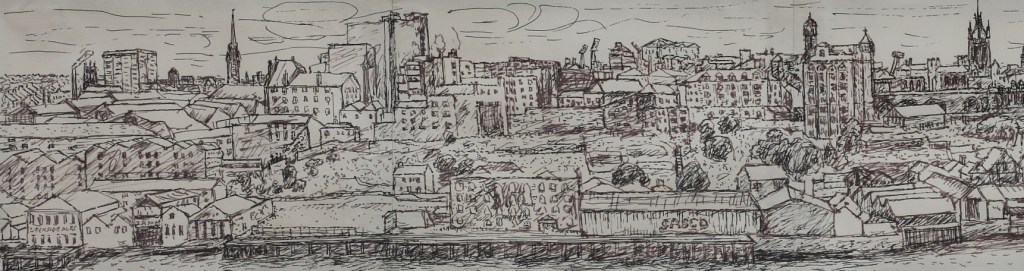

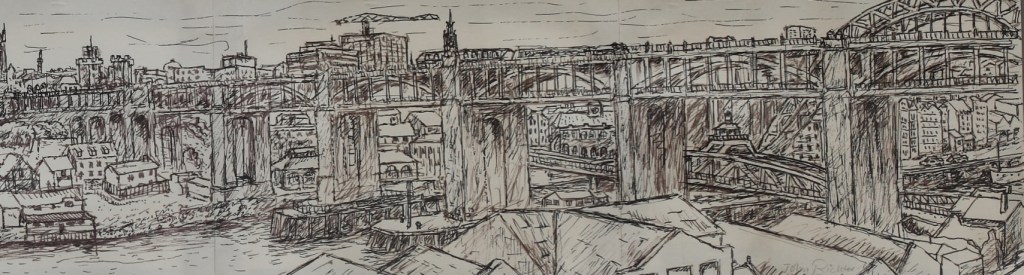

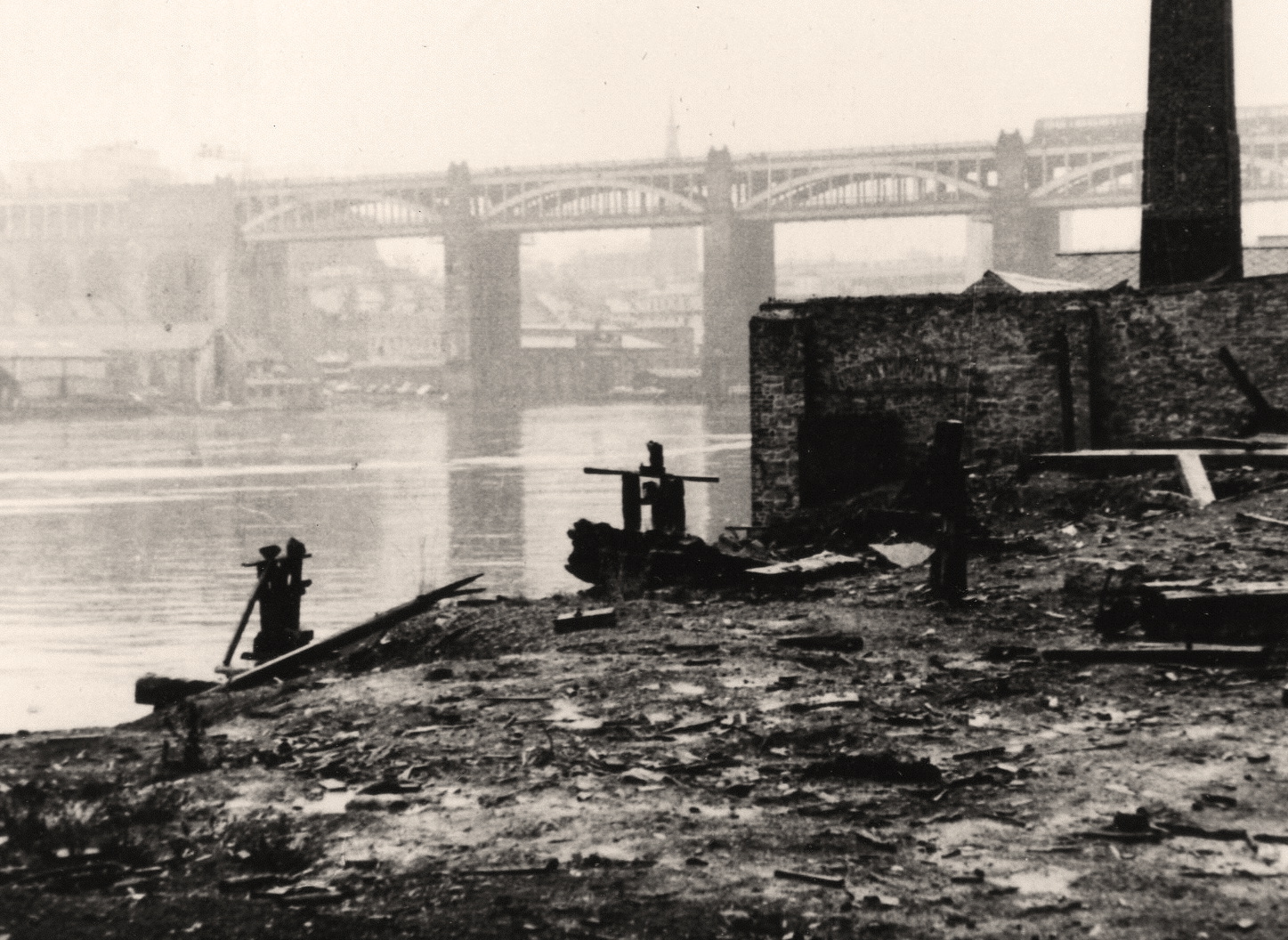
John Richter studied at Cambridge School of Art, learning stone carving and letter cutting in the Eric Gill tradition from Donald Potter and Kevin Cribb. He studied painting at Chelsea College of Art, where he also lodged with, and learned wood engraving from, Gertrude Hermes.
Apart from his teachers, his main influences at this time were the art of ancient Egypt, cubism and the early 20th century pioneers of modernism in St Ives.

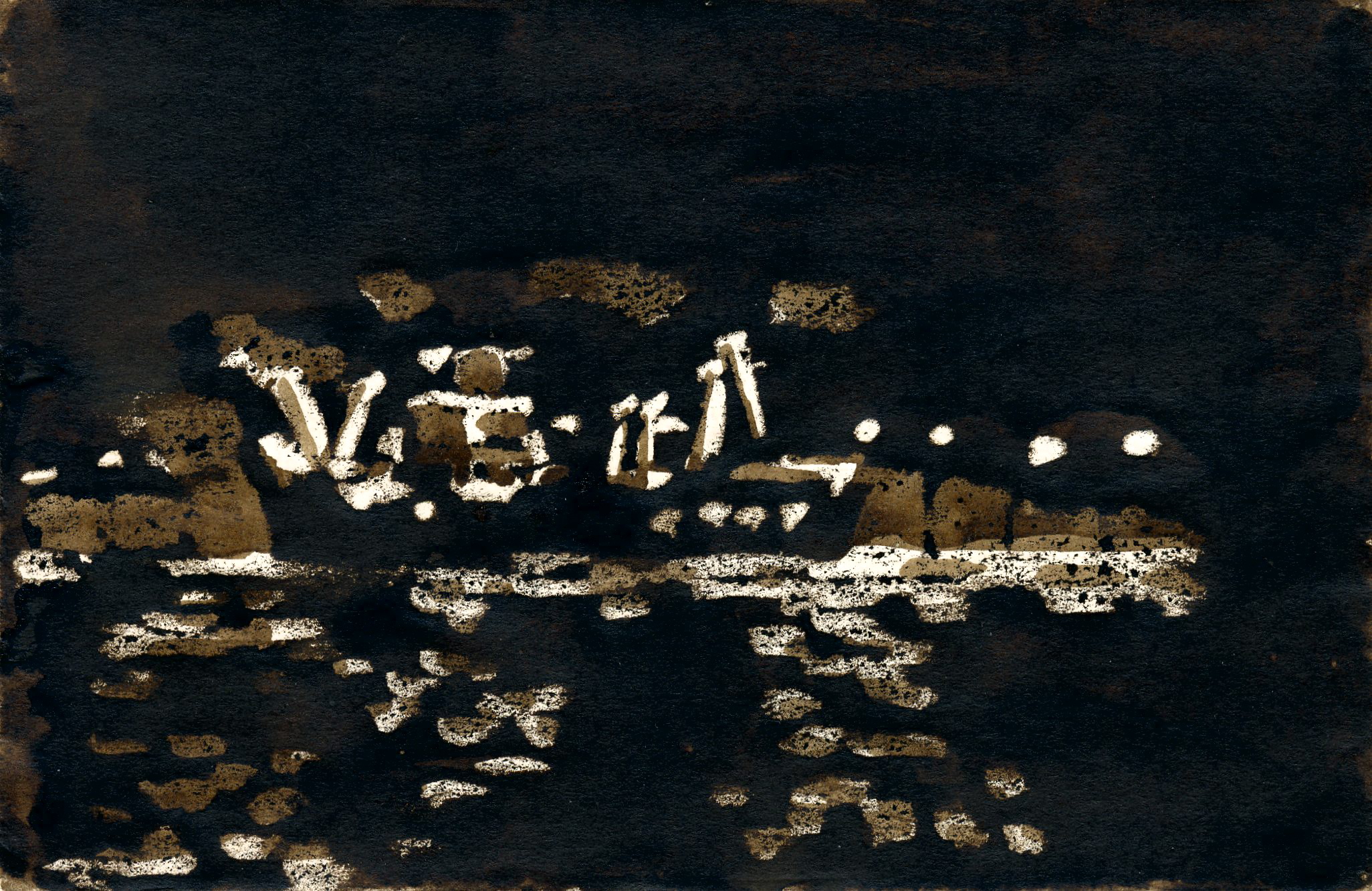

CLICK TO VIEW COMPLETE IMAGES:


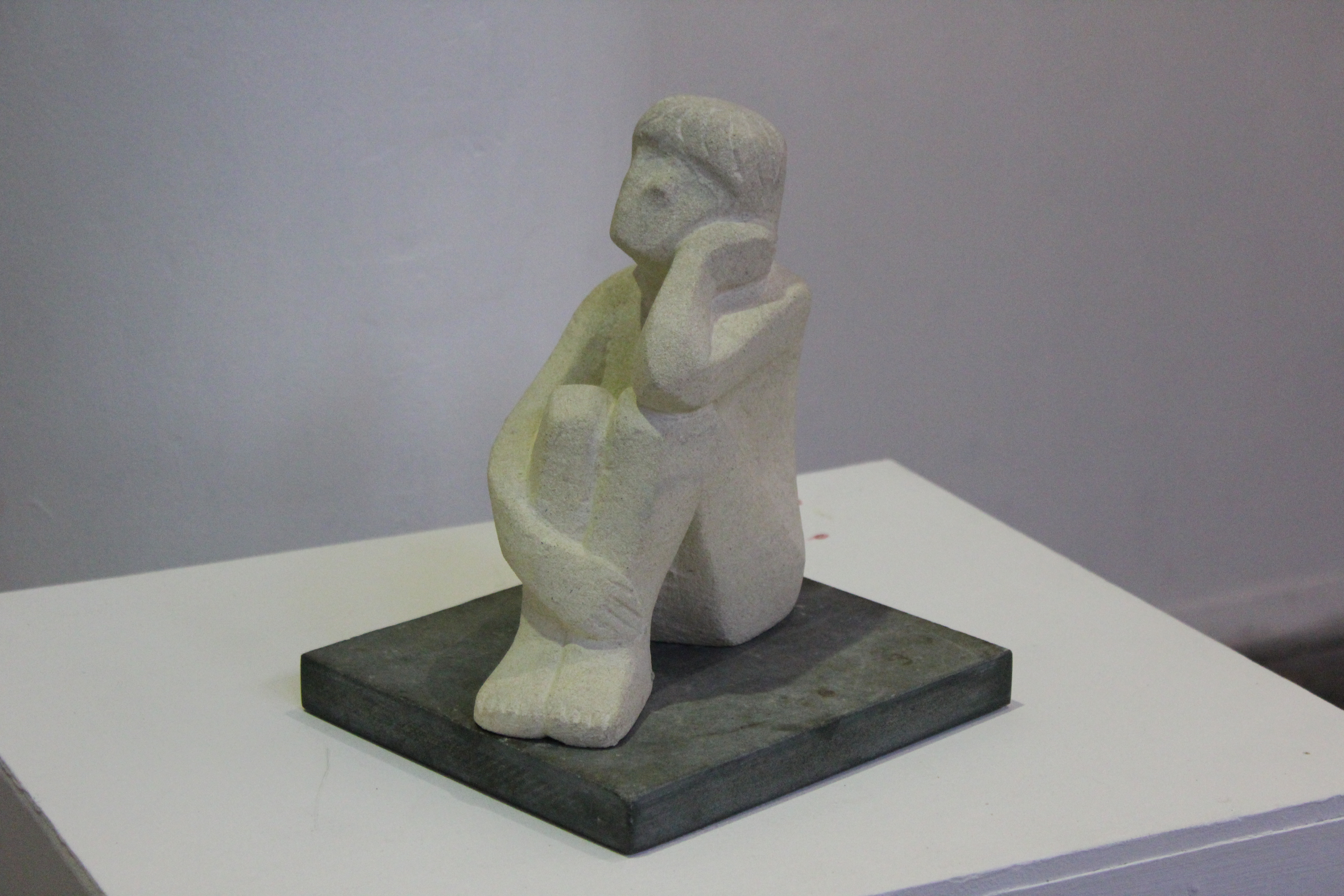


In 1968 John moved to America, working for a time as an assistant to the Russian constructivist Naum Gabo, and as a Jewellery designer with The Metropolitan Museum, the Boston Museum of Fine Art, and Steuben Glass Company, New York.
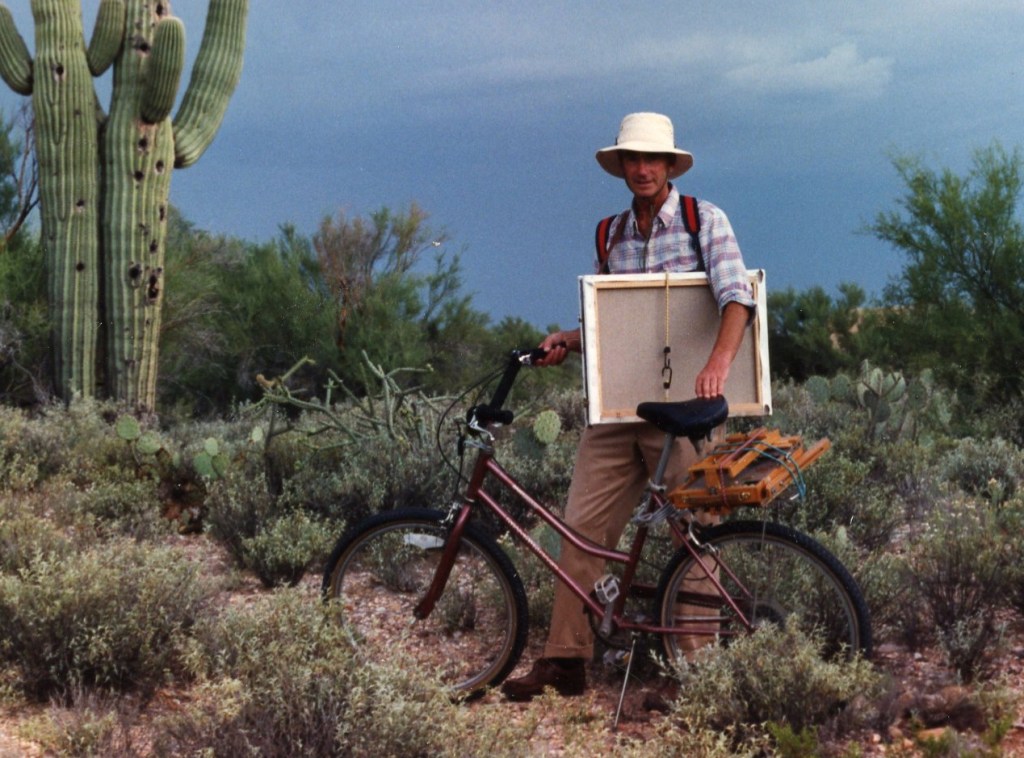
Always drawn to deserts, Richter subsequently moved to Tucson, Arizona, where the Rosequist Gallery represented his desert paintings.

Since 1980 John Richter has lived and worked in Norfolk, showing paintings in the Bircham Gallery, Holt. He acquired some whelk sheds on the wharf at Wells, which he developed as his own studio-gallery.
“My paintings start with an initial demand to find a visual equivalent, then to locate an external means, quite conventional, such as a coastal view, or a vase of flowers.

The task is to take the painting through a selection of colour and pattern harmonies within a pictorial structure, into a different and personal vision. At times the transition is more obvious than others, but the objectivity of this process has always been my inspiration.”
CLICK TO VIEW COMPLETE IMAGES:

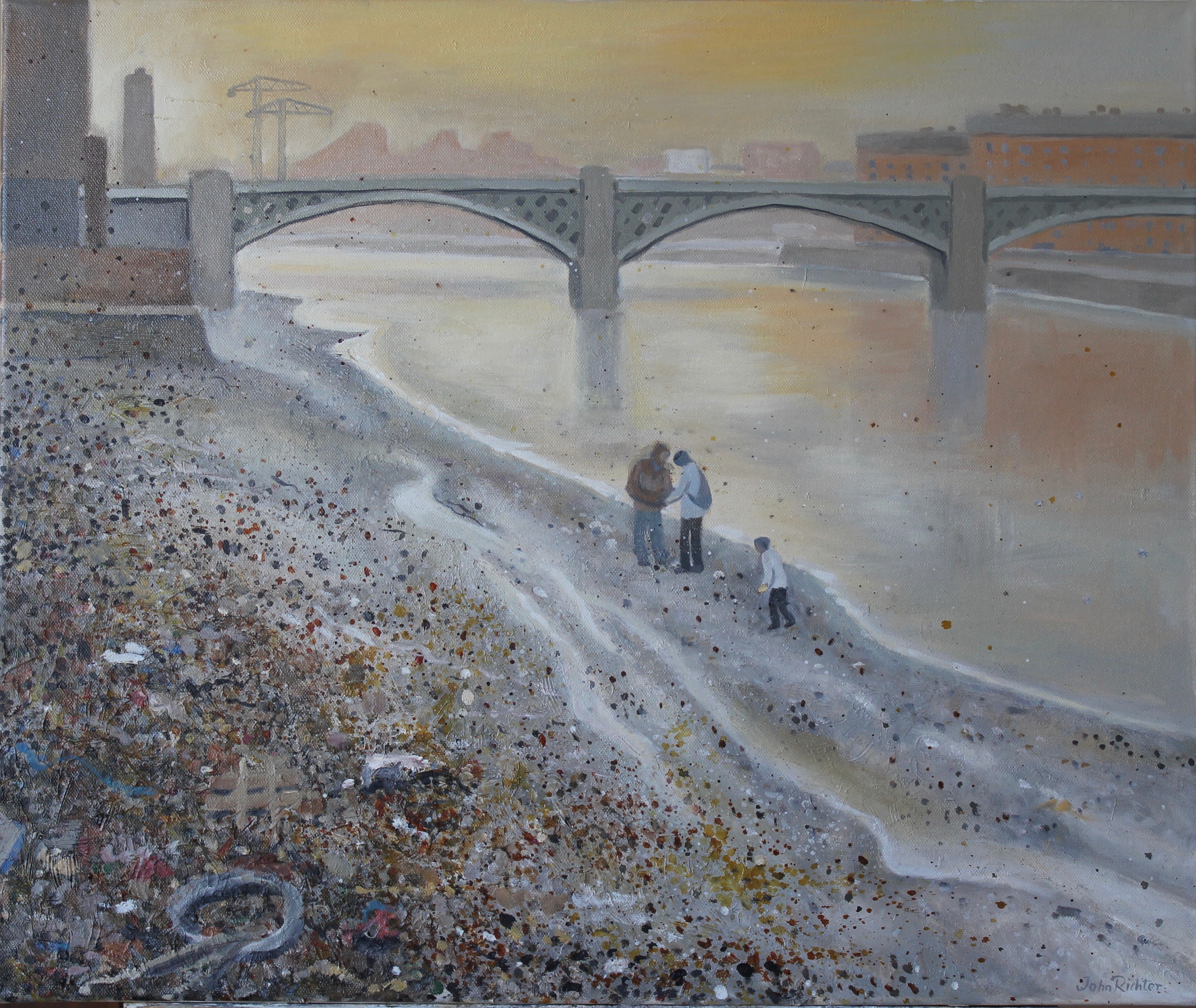
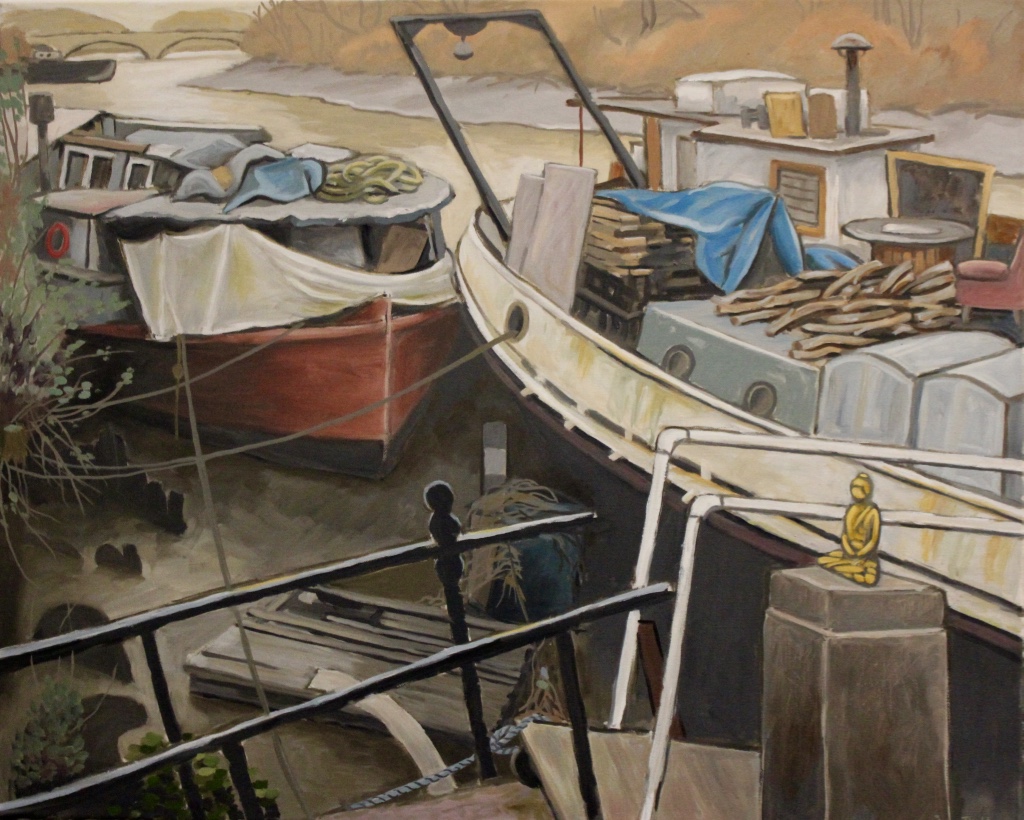
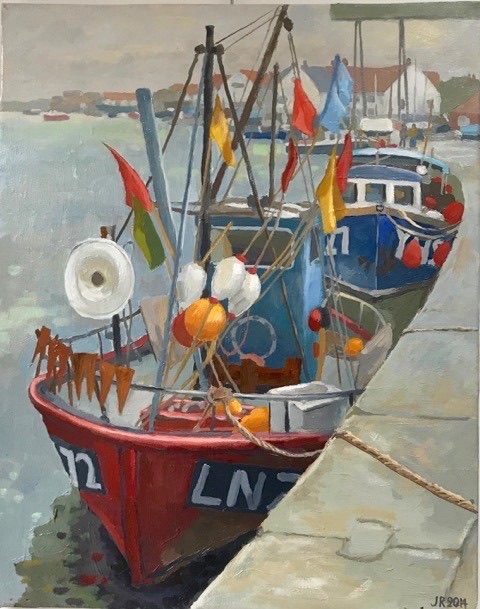
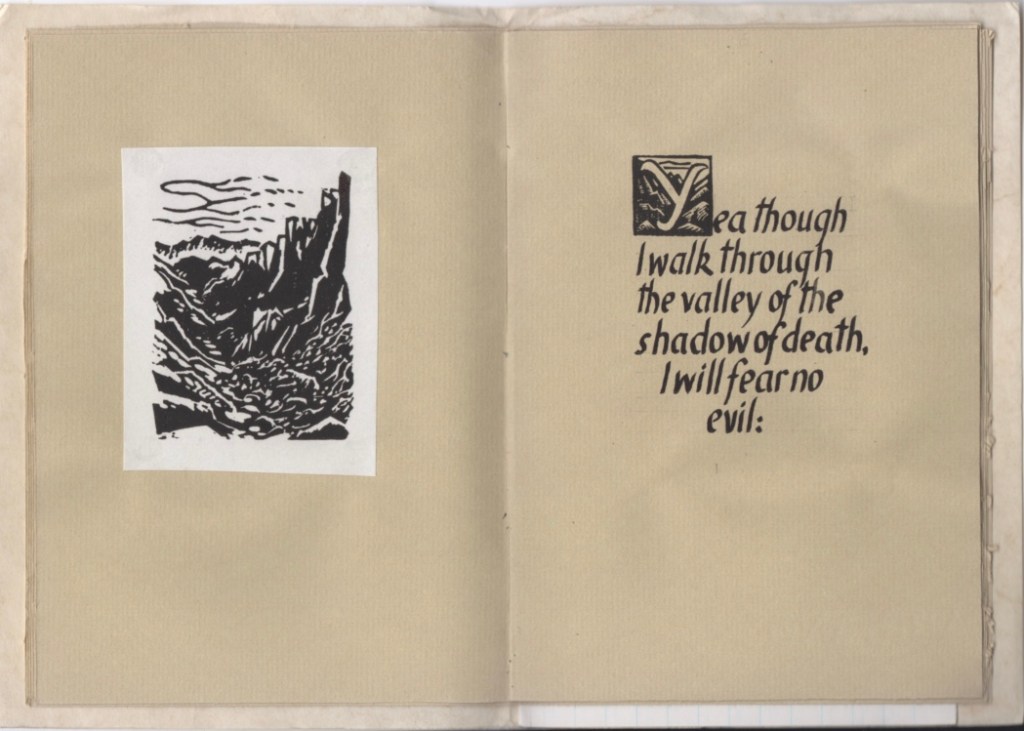


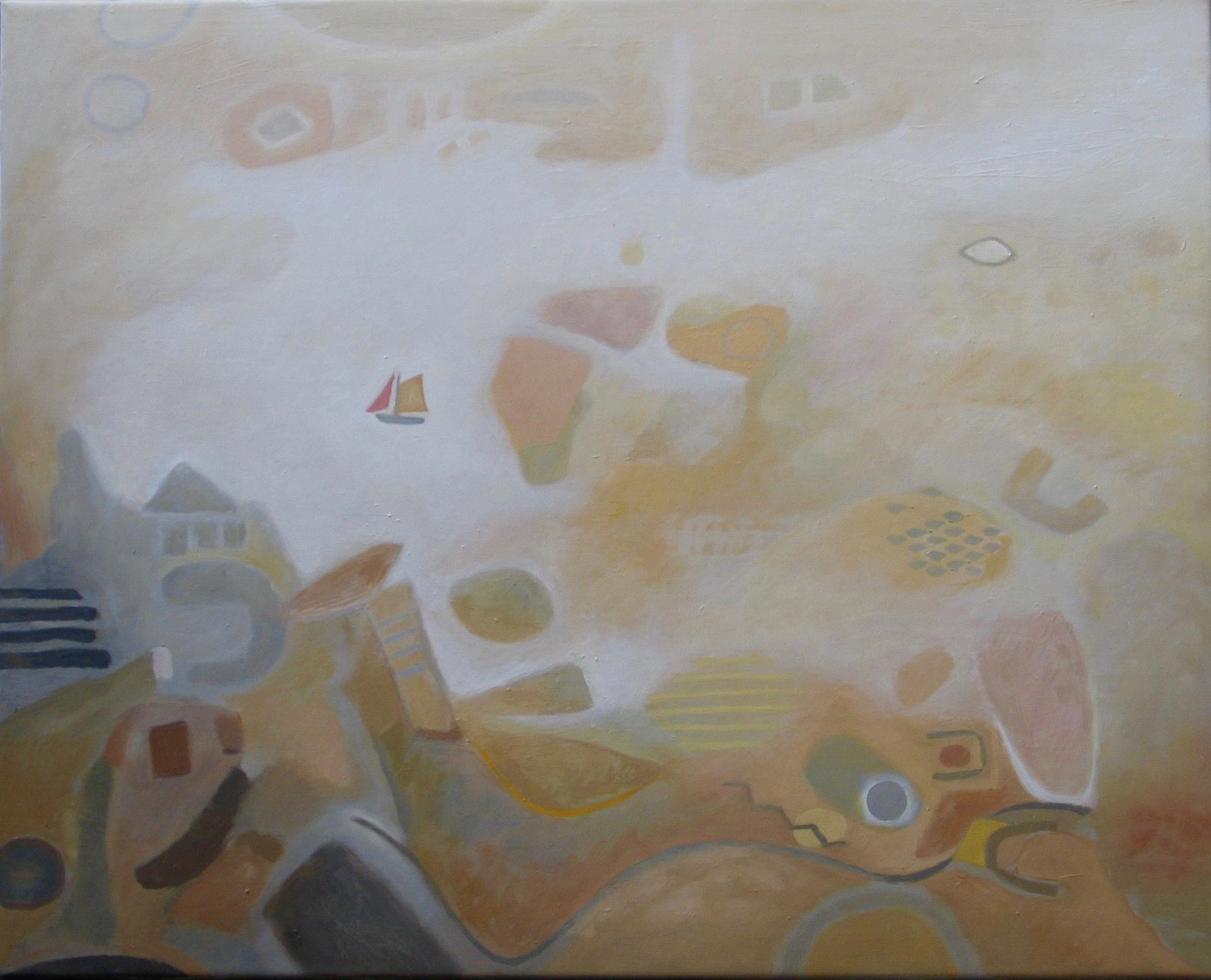
The little sailboat is a metaphor for the soul leaving the protection of the land for the experiences of life; its dangers, excitement and opportunities.

Recently, Richter has used a technique of applying oil paint with a screwdriver.

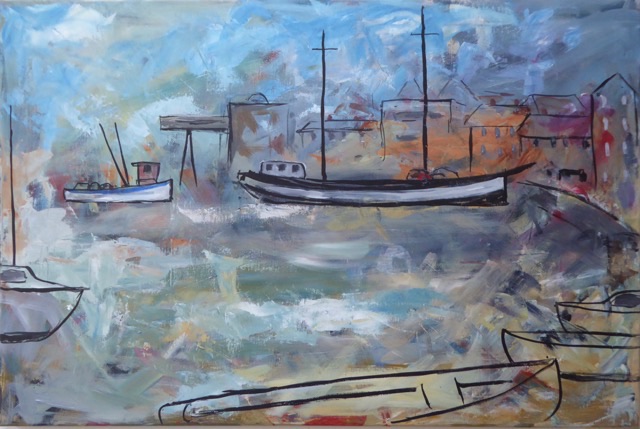


Watercolour, 2021
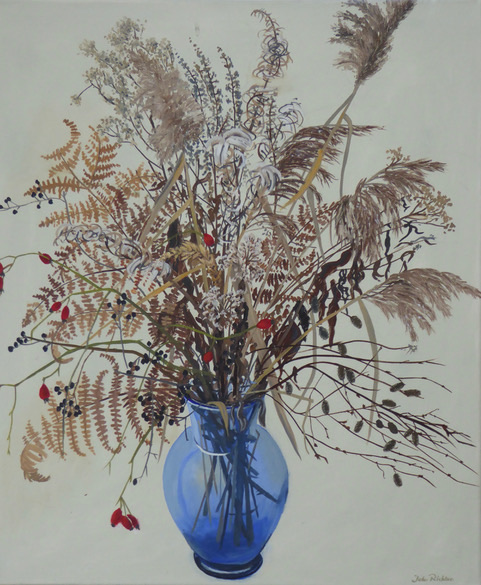
In July 2002, John Richter’s painting The Blue Vase was exhibited in Maltings, the arts centre in Wells next the Sea, Norfolk, in an exhibition recognising artists living and working in the area. Each artist could submit three works. Visitors were offered slips to mark their favourite three, in order. 500 did so and The Blue Vase painting was the outright winner.
To see more of John Richter’s current work, click on:
JOHN RICHTER NORFOLK PAINTER
Susan Herivel
“For me, once I have ‘woken up’, so to speak, I see something from the corner of my eye. It’s ephemeral; sometimes it shimmers, sometimes it’s dark and odd looking. Sometimes it hands itself to me fully formed and other times it has to be chipped away to be revealed. There was a chance I never would have done anything. It was just luck that I woke up.’
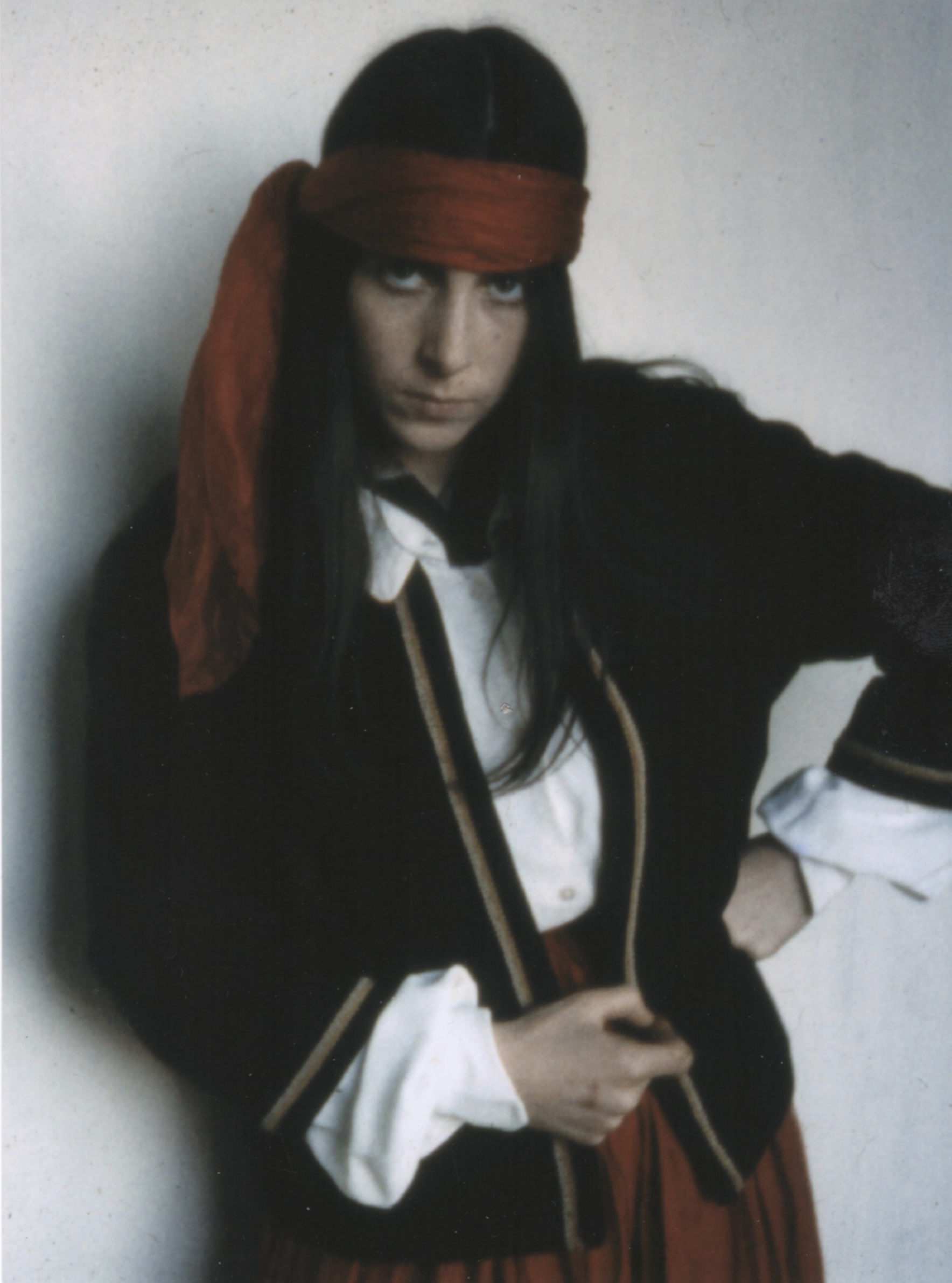
Born in Belfast in 1948, Susan grew up in County Down and studied fine art and ceramics at Belfast School of Art and Design, under the potter Laurie Smith, obtaining the Diploma in Art and Design in 1969.

For her dissertation, she studied the carved and ceramic surfaces of Belfast architecture, working with the architect John Gilbert and the composer and architect Marcus Patten MBE.
CLICK TO VIEW COMPLETE IMAGES:
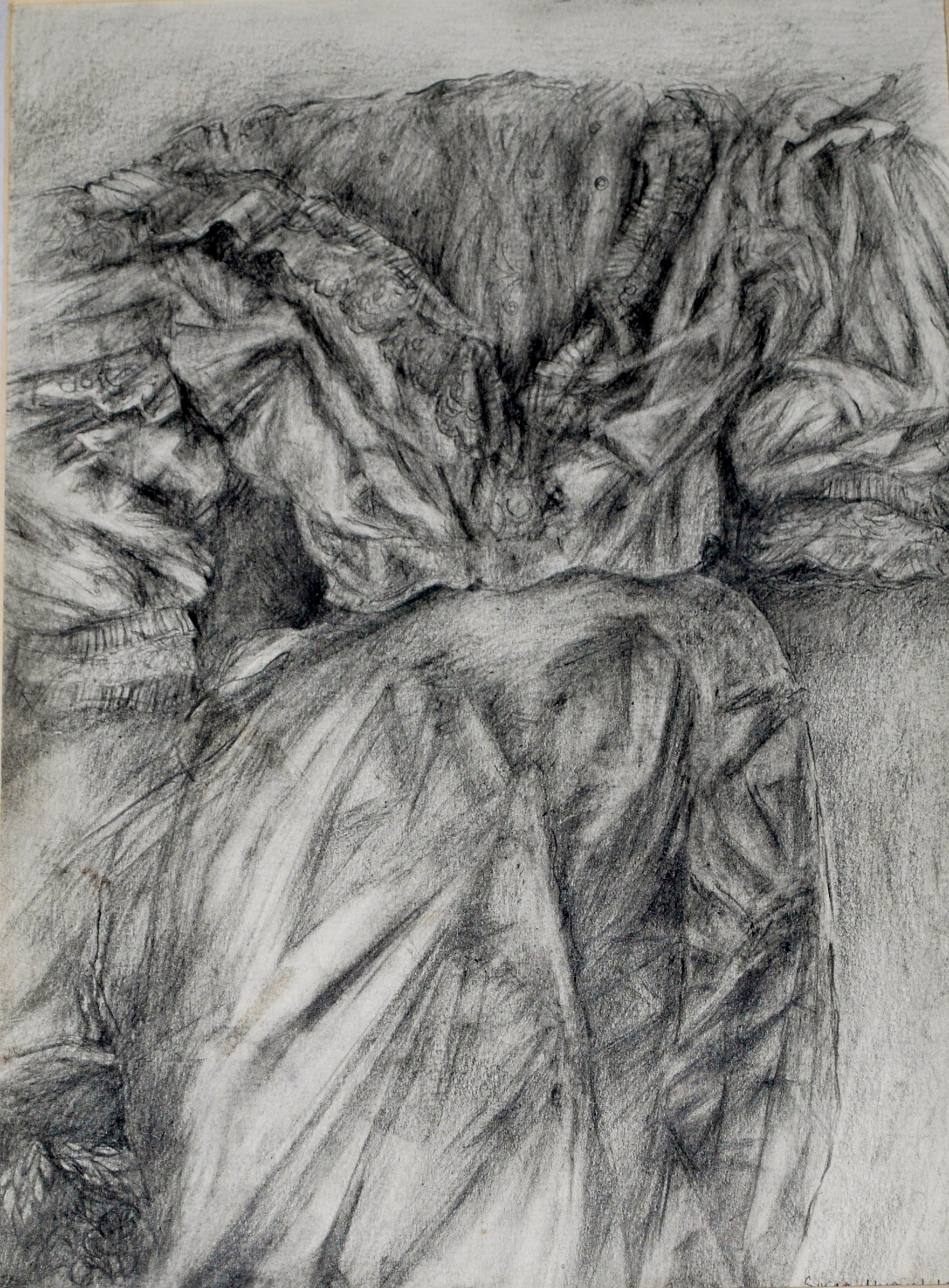


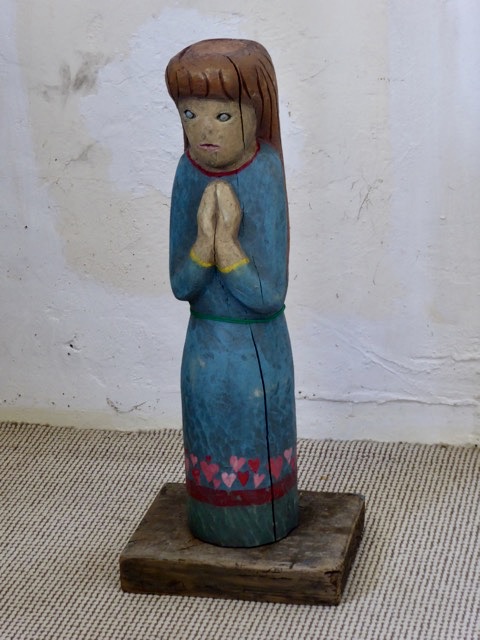
Above: dresses, pencil – sea pots – impressed vase – photos of ‘sea-ribbed sand’ – ‘sandcast’ – impressed bowls – Figurine ‘Isolde’.
Susan uses techniques of printing and rubbing to show figures, plants and shadows, and she draws from observation and imagination. The underlying obsession is the moulding of form, and impression in the widest sense, tactile or theatrical: that of the human body within a dress once worn, patterns made by the sea on sand, or a flickering light in the corner of her eye.


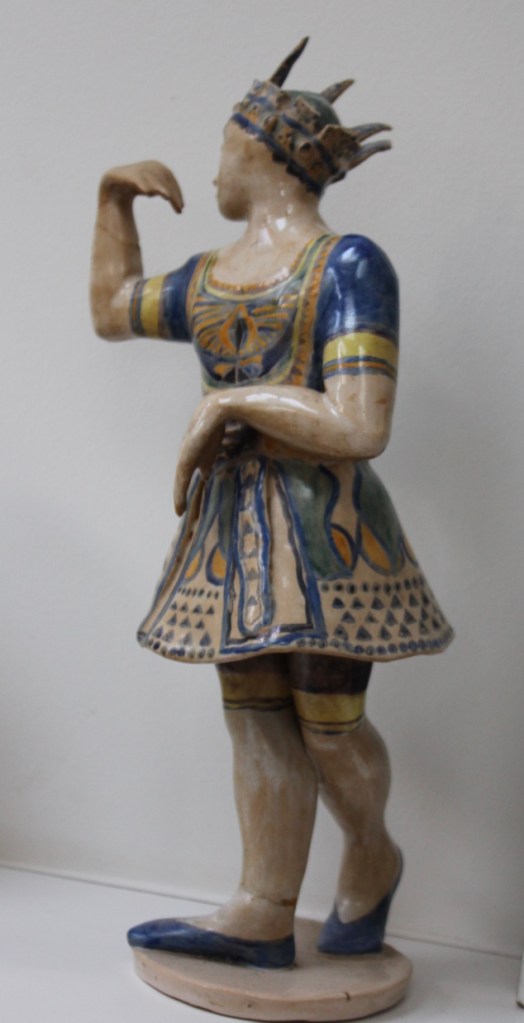

Above: Siegfried (ink) – Firebird (pencil) – Figure with Fan & Dancers (1) & (2), (ceramics).


Clement Griffith
“The one continuum we know just shrugs. To it, no blame attaches. There the catch is.” (‘Stuck’ From ‘the world of always Sunday’, C. Griffith 2017)

“My drawings and paintings have always tended to the figurative. I am strongly beguiled by appearance, both of the world, and of art that has a visual relationship to it – although I cannot conceive of any visual art that does not”.
Clement attended the Central School of Arts and Crafts 1964-68. He wrote his graduate thesis on anarchism, and studied the history of art and education, becoming a lecturer in liberal studies, initially to police cadets. Clement has travelled widely and has always been a prolific writer. His pictures accompany his stories, satires, poems, sceptical observations, and novels.

“With eyes open or shut, you can sleep lightly here. On your face will be the pale sunlight, like a slightly dying fire at the greatest of its comforting. Its steady, patient flames have consumed a world that is memory and warm ashes.”
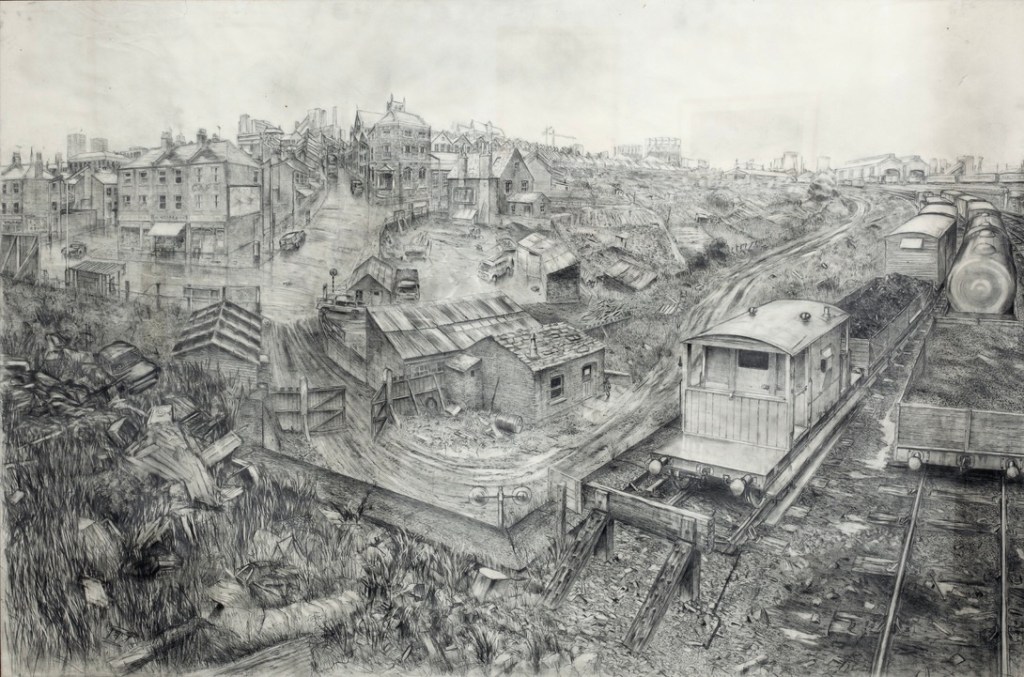
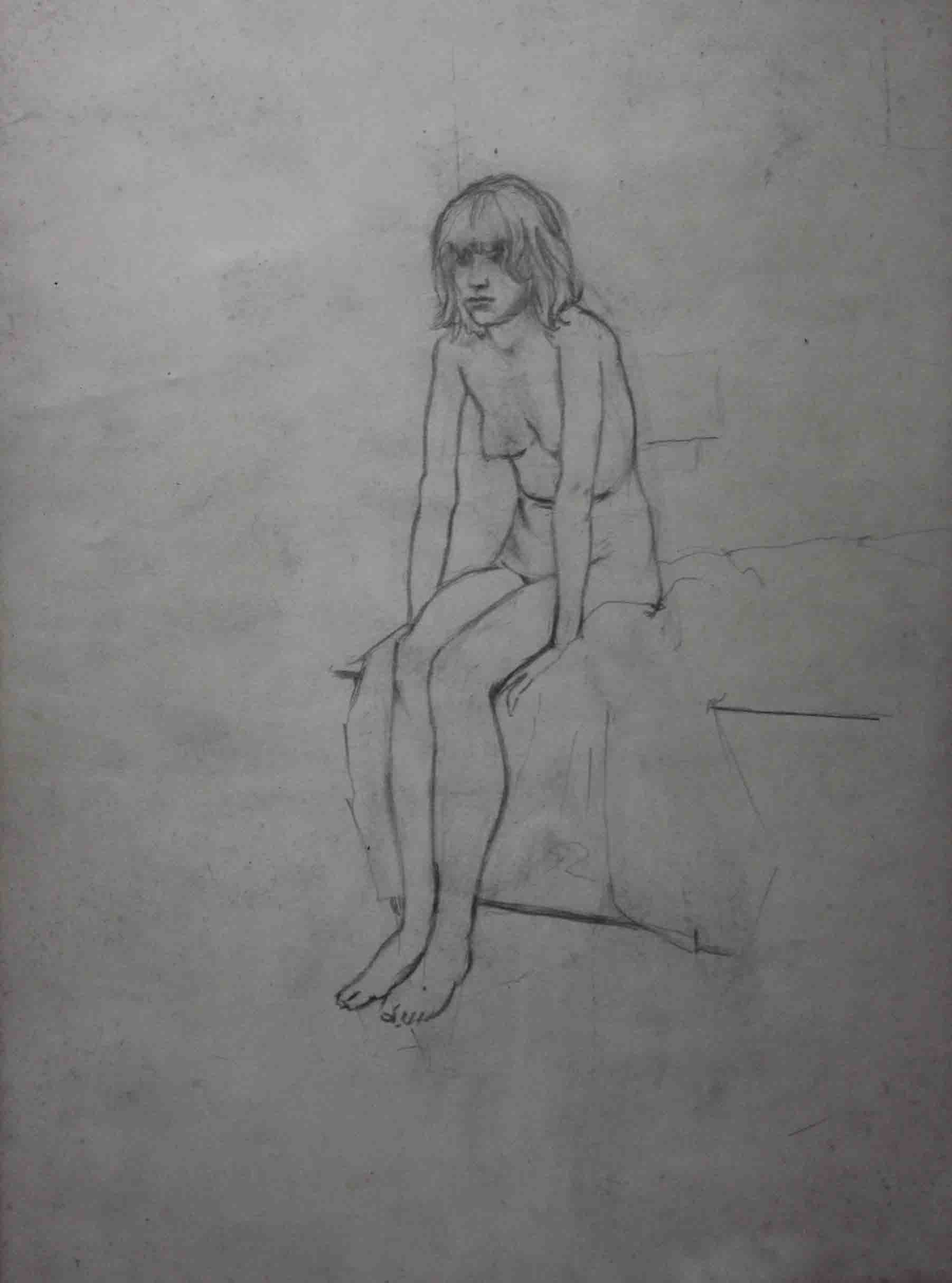
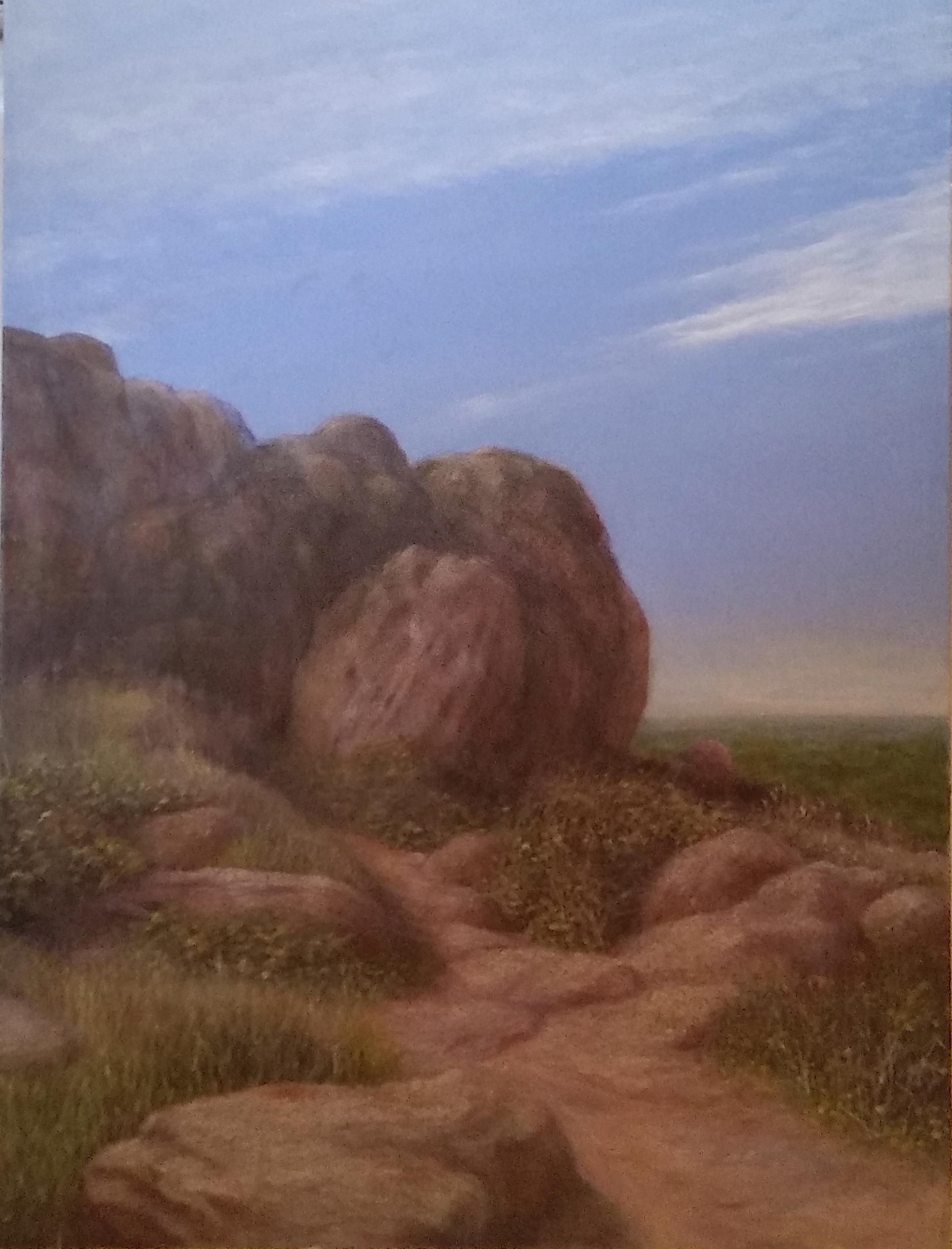
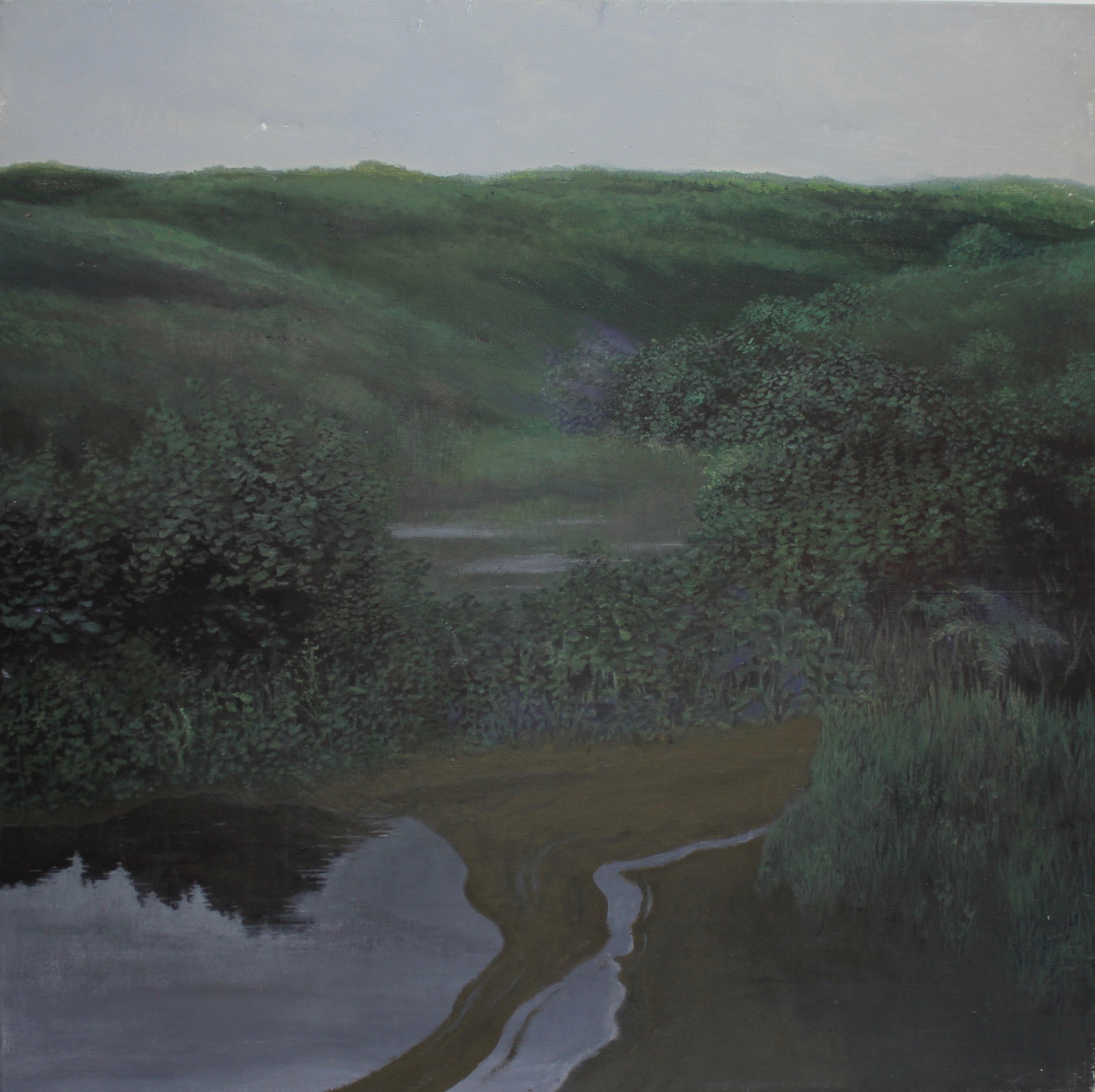


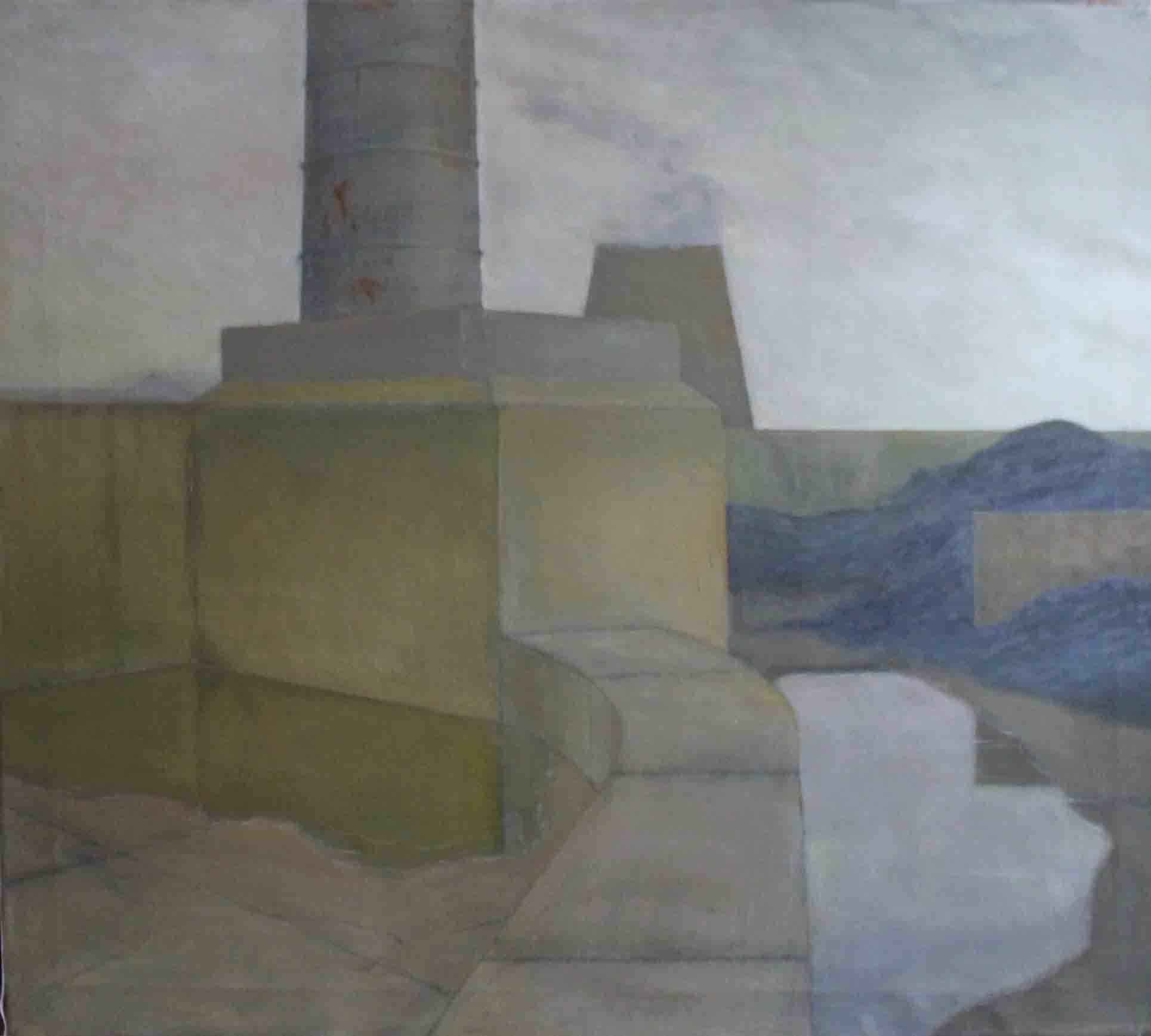
Clement might be described as an undeceived fantasist.
END OF THE LINE
Oh yes, you’ll live,
and have your moments too,
before you waft a tiny tad of poo.
They’ll change you patiently and wait
upon your long fumble at the gate.
They will die too, and clocks will suffer ticks.
Enter, exit; in between’s the fix.
Oh yes, you’ll end, as if you never knew;
a kiss, a handshake, or a drink or two
is best, and does all honour decently,
though most just fade away and cease to be.
The cause of death is life, and more or less,
posthumous hoping just a groping guess.
Oh yes, you’ll go,
as of a general rule.
You’ll slump in the TV lounge,
and drool.
They’ll come to see you, mention this and that,
bringing biscuits and a halting chat,
and watch your fingers fidget as you drift,
then rise through twilight in a little lift.

Pauline Jones
“I paint out of necessity, to embody who or what I am at any given moment, and to leave a more permanent trace of my fugitive vision.”

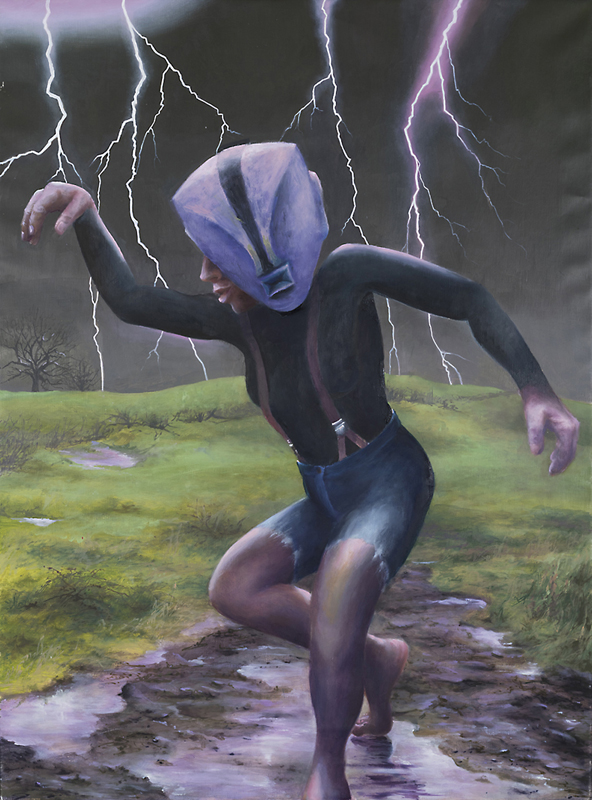
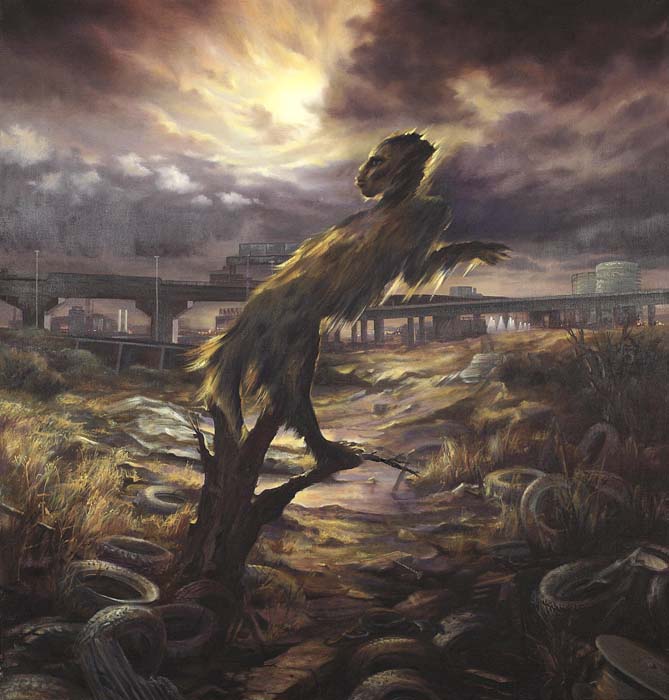
Pauline was born in Merseyside in 1946. She studied painting at the Central School of Art and Design and at the Slade School of Art. She has worked in graphic design, animation, book illustration and textiles. Her painting became highly Photo Realist, but by the early 1990s she had found new painting territory, which she is still exploring.
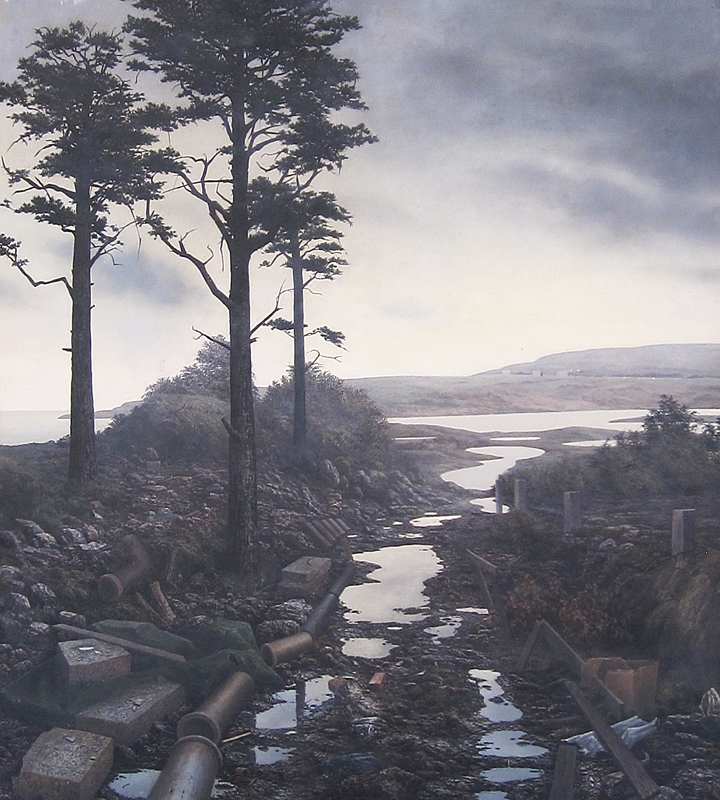
“I have a sense that I am only ever searching for that one painting. Sometimes it semi-arrives in a surprising form. The occasional sense of achievement is profound but very short lived; the search is always on. I cannot stop or go backwards.”

CLICK TO VIEW COMPLETE IMAGES:


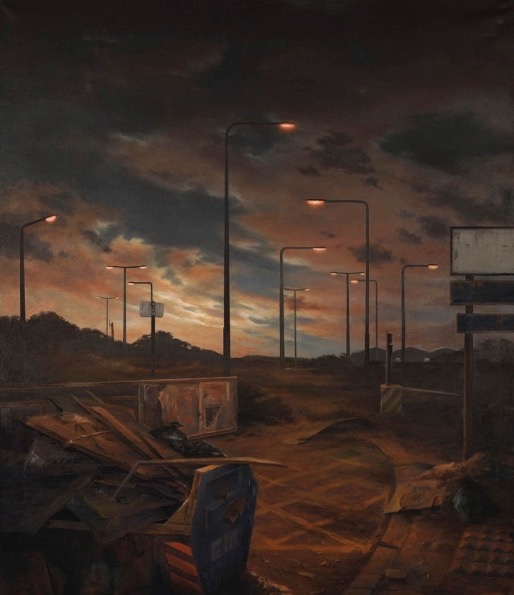
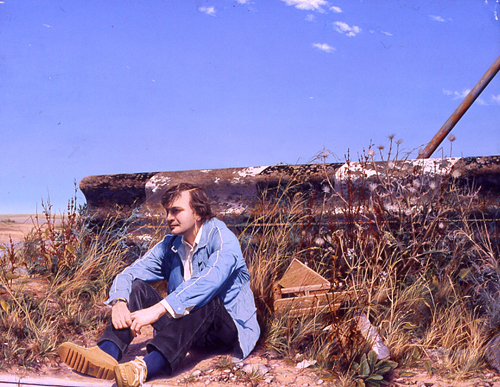
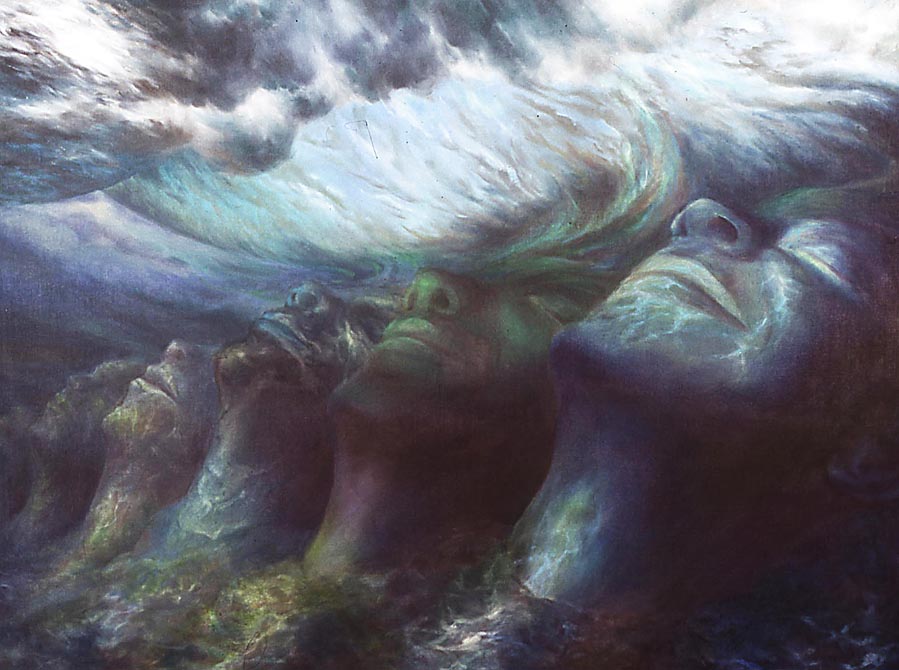
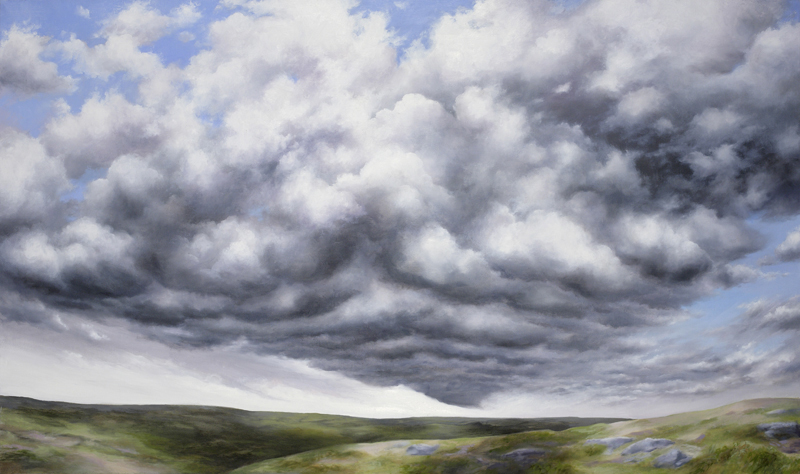
Pauline has exhibited in ‘Art of Imagination’ exhibitions in London, USA and Europe, in the Henry Boxer Gallery of Outsider and Visionary Art, in the Raw Arts Festival, Islington, in ’Images of Elsewhere’ with Talisman Fine Art, and in ‘Where Art meets Science,’ at Pennsylvania University.







See also: www.imagesofelsewhere.co.uk
Philip Hood
‘Although I work in different styles, I’m still on a journey to develop a style which is realistic but not photographic.
My method of working has, up to now, been dictated by commercial considerations but I’m trying to produce work which has impact on a gallery wall as well as on the printed page. This needs a different mindset because, although we use the same materials, illustration and fine art painting are very different activities.
Learning creatively from your own past work and from the example of others is a continuing and never ending process.’
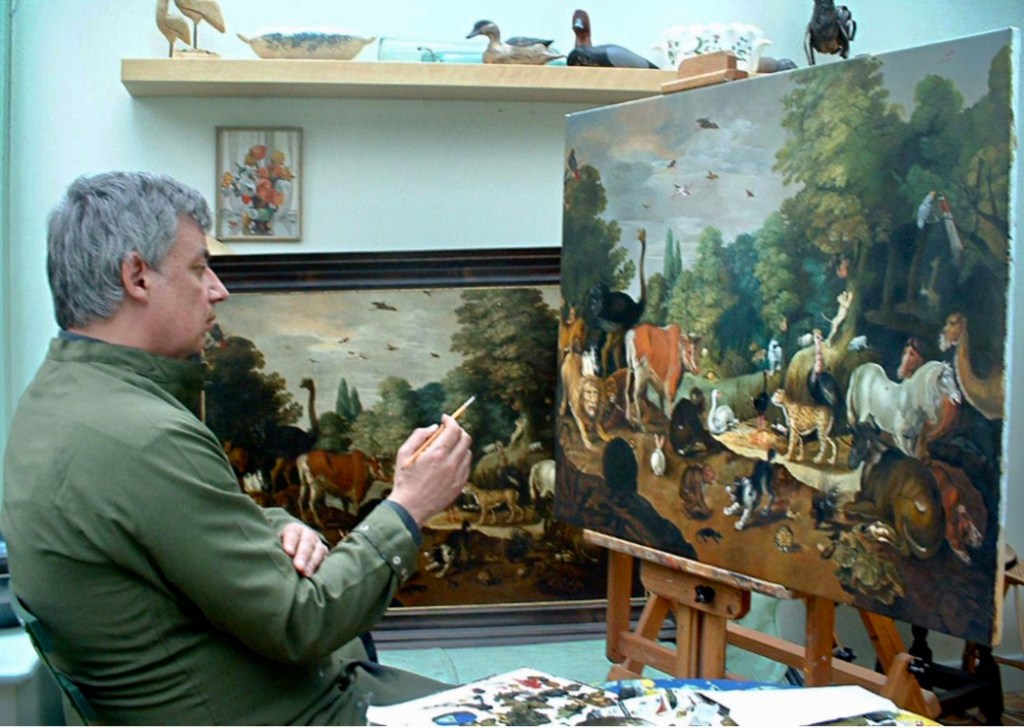
Phillip Hood studied graphic design at the London College of Printing from 1968 to 1971. On graduation he joined the illustration agency Young Artists, through which he began to produce artwork for book covers, especially crime fiction.
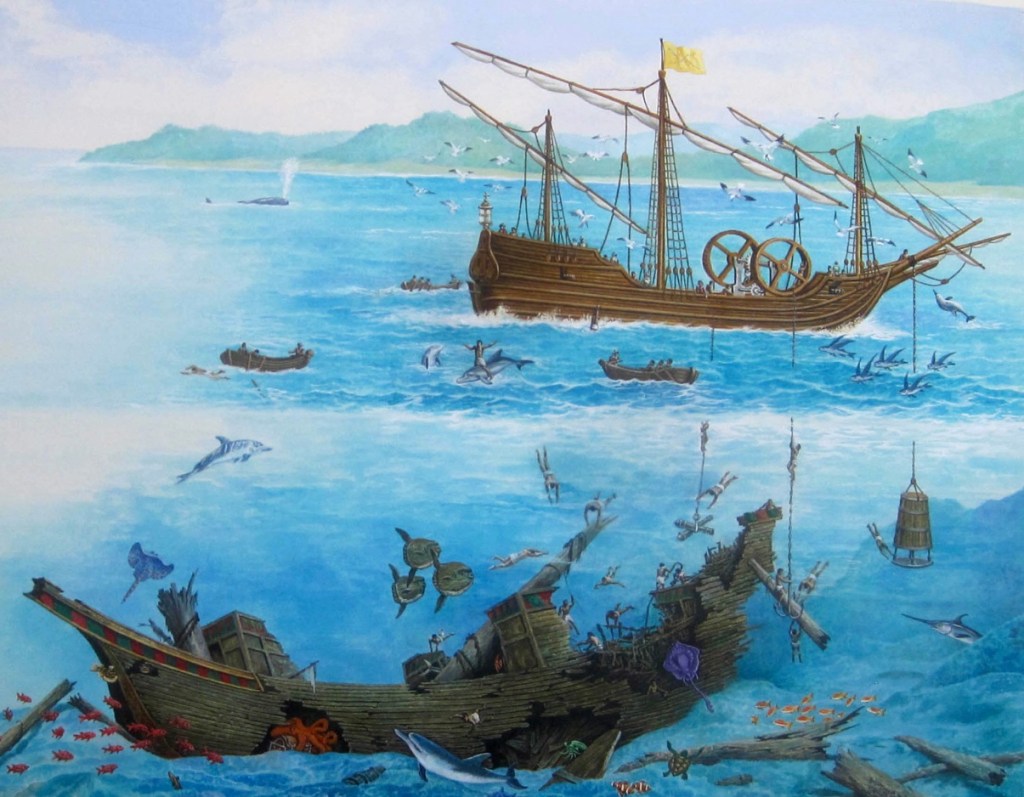
In 1974 Phil joined Punch magazine as a designer, while continuing a parallel career as an illustrator. He also drew for Punch, and has subsequently become a sought-after caricaturist at corporate events in the UK.
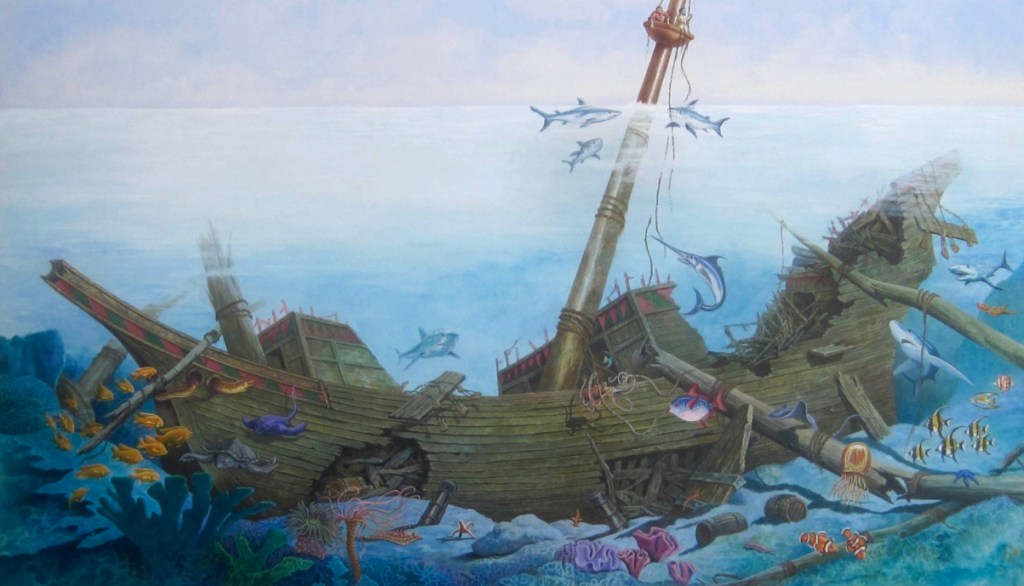
From the 1980’s, working alongside the mural painter Tony Raymond, Phil developed as an international trompe l’oeil mural painter, with commissions in Denmark, Ireland, Turkey, Abu Dhabi and the UK. He has also taken commissions to make copies of valuable paintings, acknowledging the source. Throughout his career Phil has exhibited illustration work at the Association of Illustrators, the Illustration Cupboard gallery and A View of London show at The Transport Museum.
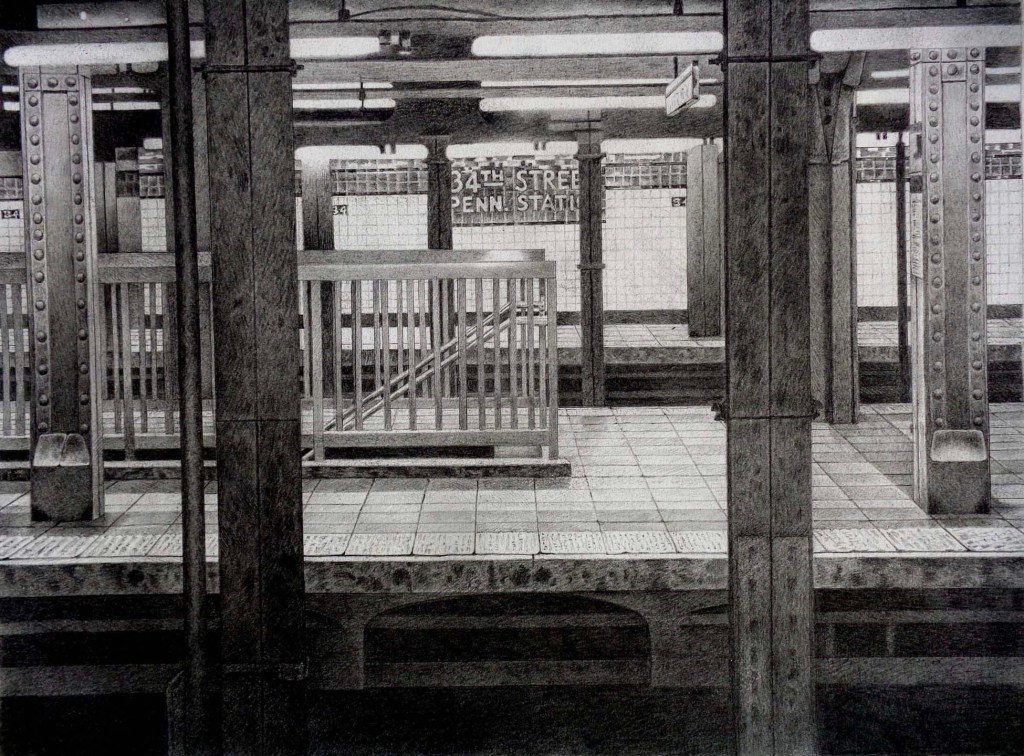
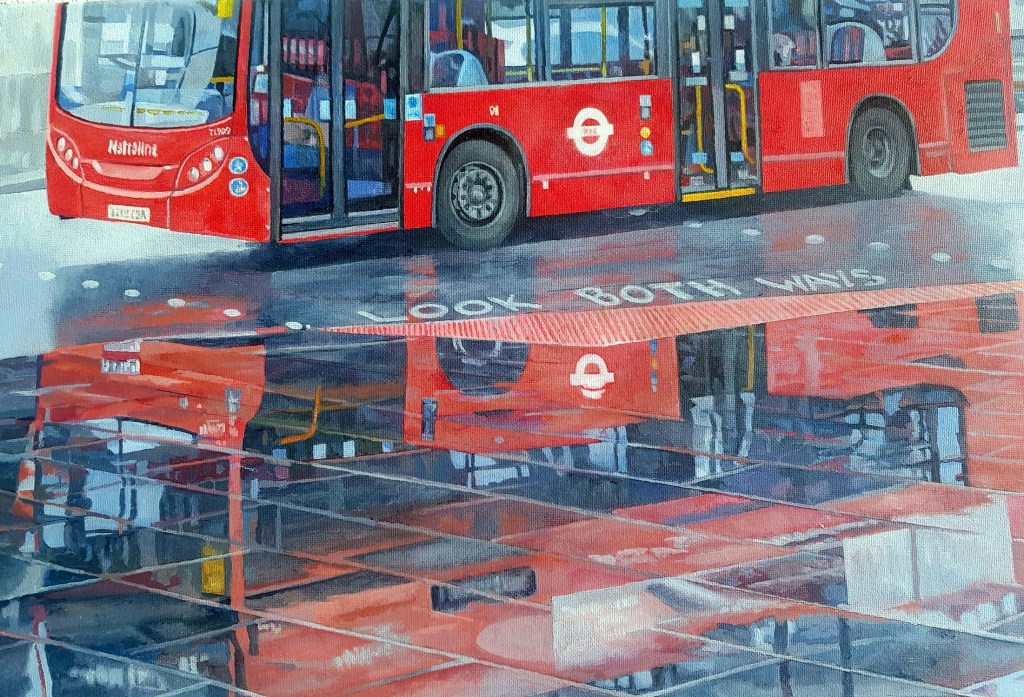
Phil’s work has also been successful in open exhibitions for freelance artists. In 2009, 2010 and 2017 he was short listed for the Sunday Times watercolour prize at the Bankside and Mall galleries.
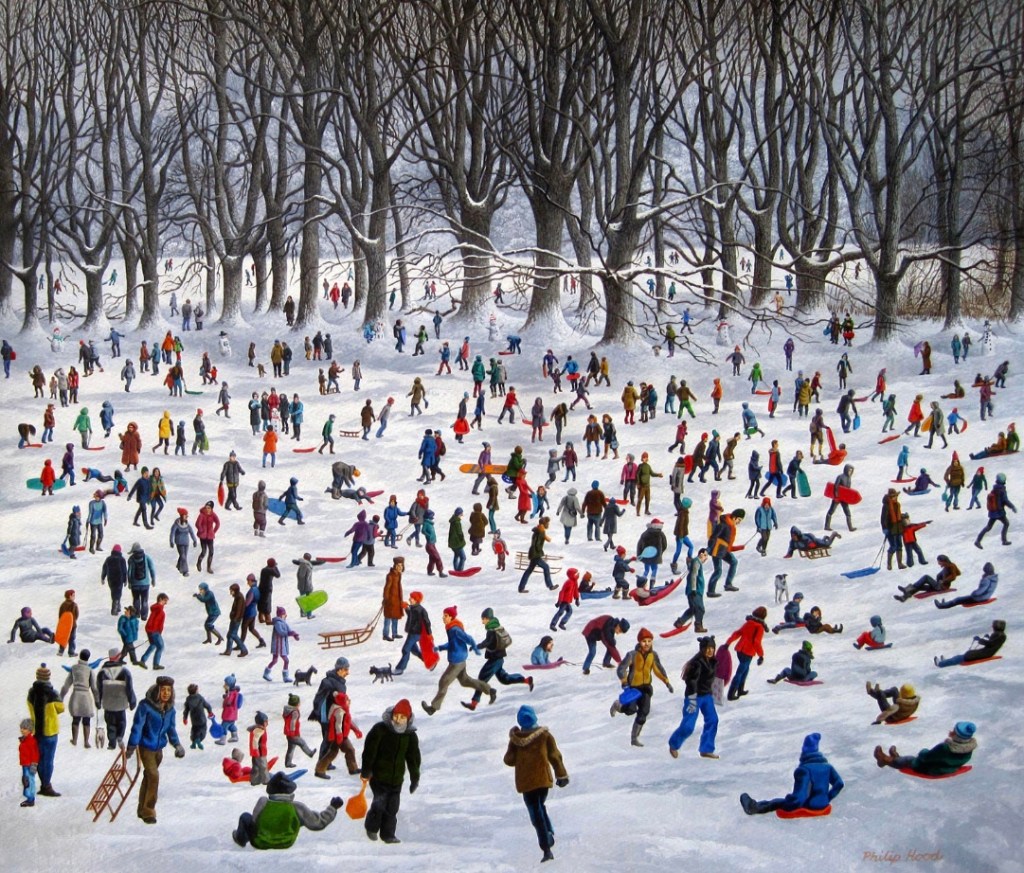
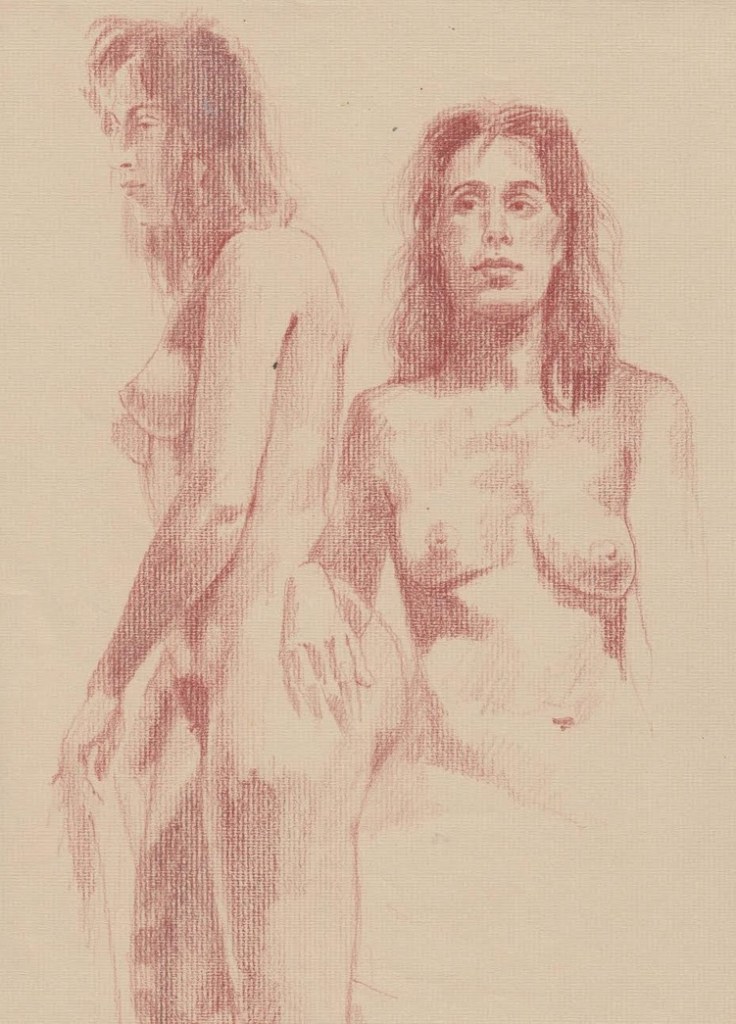
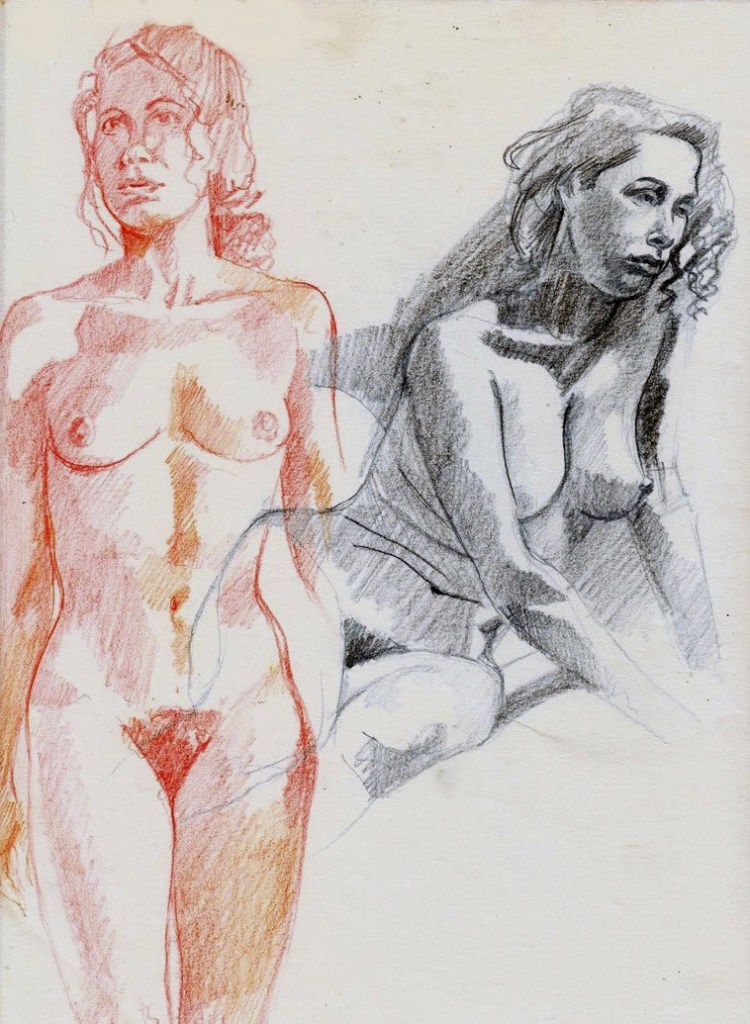
Philip Hood Portraiture: CLICK TO VIEW COMPLETE IMAGES:
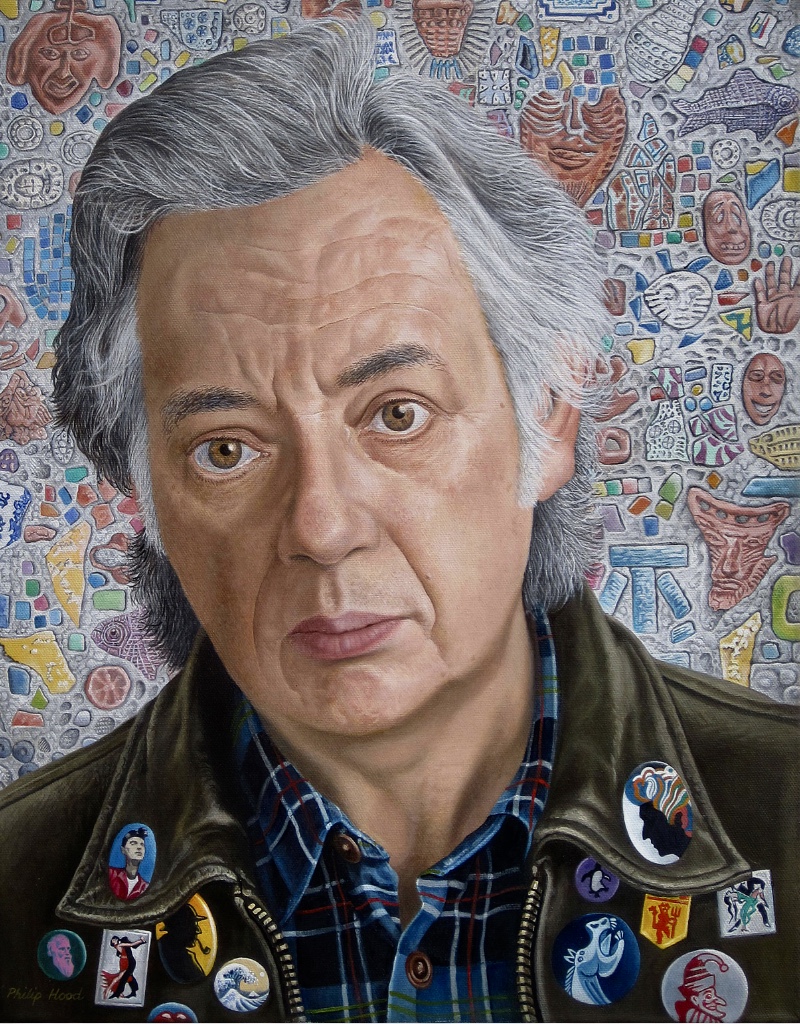
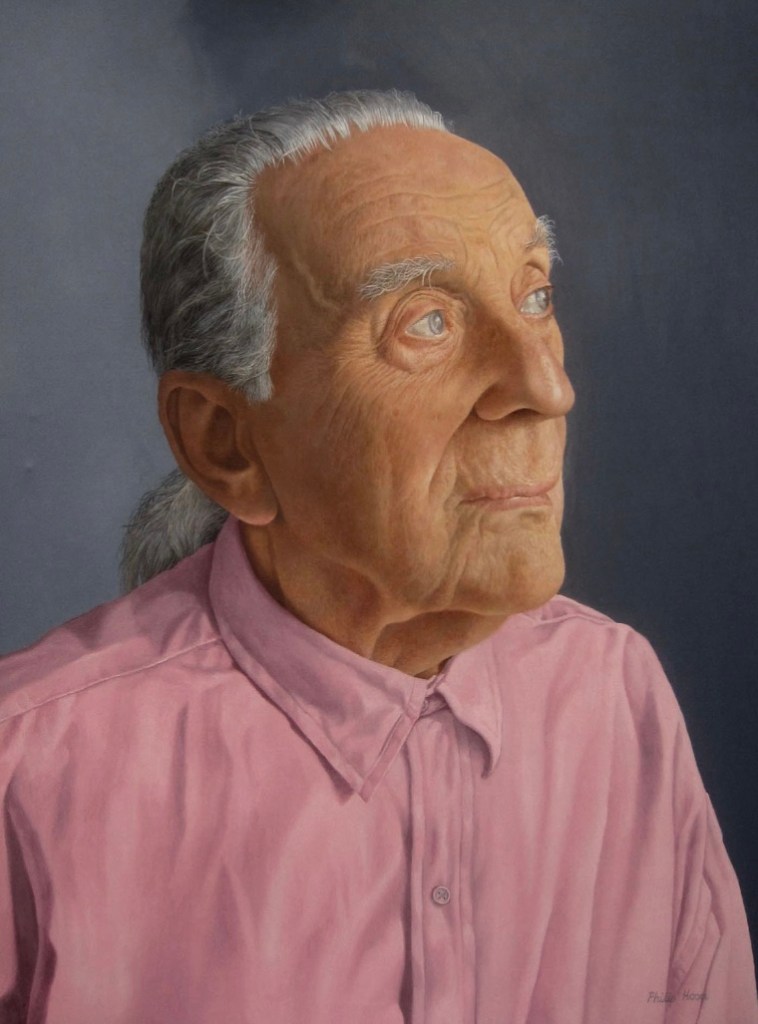


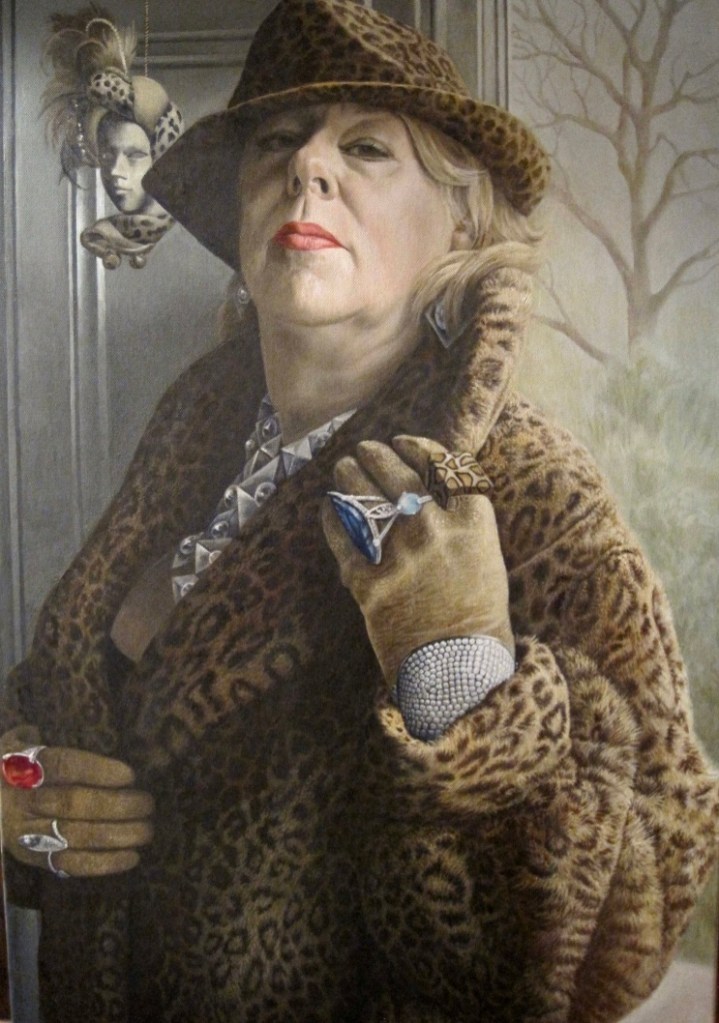


‘Lizzie in her shop‘ was exhibited in The Royal Society of Portrait Painters at The Mall Galleries, London 2012
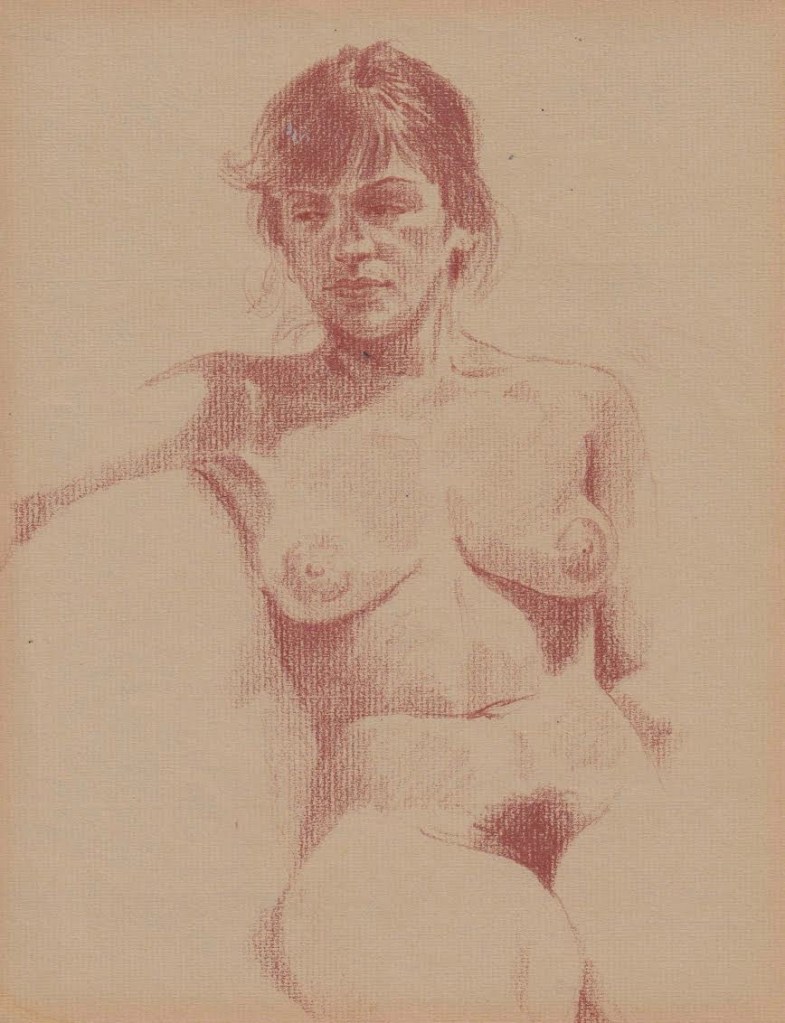
Hood‘s highly developed, detailed draftsmanship enables him to combine imagination with factual conviction. He uses photographic and other reference material, but also works from direct observation, in particular by constant practice in life drawing.



See also: http://philhood.co.uk/ Email: hoodart@virginmedia.com
Tel: 020 7561 8956
Beryl Ann Williams
“I’ve always felt a need to study at the same time as having the need to paint.”
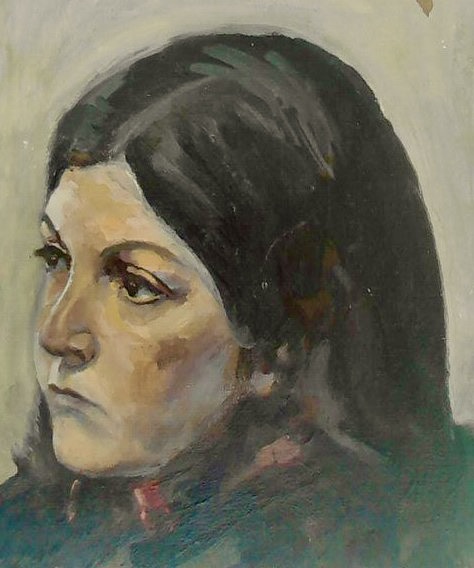
When John Pearce first met Beryl Ann, he had left Art College and was teaching art at Welwyn Garden City Grammar School. Beryl was sent there for her teaching practice while studying for the Art Teacher’s Diploma (ATD). When she first appeared in the staff room, Pearce sensed an immediate rapport! He soon introduced her to ‘The Group‘ in Highgate Village – a Cabala study group run by one Tony Potter.
Beryl Ann wrote to John Pearce recently: “Actually it was meeting you and becoming involved with the Highgate Group in the 60s that influenced many major decisions I made throughout my life. It gave me a fascination with symbolism, synchronicity and self awareness, which led me to studying Jung and, with my Laboratory background, my tendency to analyse, it seemed that Analytical Psychology was the way for me to go. So becoming an Art Therapist synthesised it all. I wrote my dissertation on Individuation, and the concept of Individuation has formed the basis of my work as an Art Therapist and as a painter”.


Beryl Ann studied in the fabric department at Hornsey Art College, gaining the N.D.D. (National Diploma in Design) in 1964 and the Art Teacher’s Diploma (ATD) at London University. After ATD she worked in an East End screen printing studio and freelanced selling printed textile designs to such as Laura Ashley and Selfridges. She went on to obtain a Diploma in Art Therapy at Goldsmiths College.

In 2011, after studying in St.Petersburg, she obtained a Diploma in Russian. Beryl also lived for some years in Portugal, painting and exhibiting her work in the Algarve, in due course speaking fluent Portuguese.
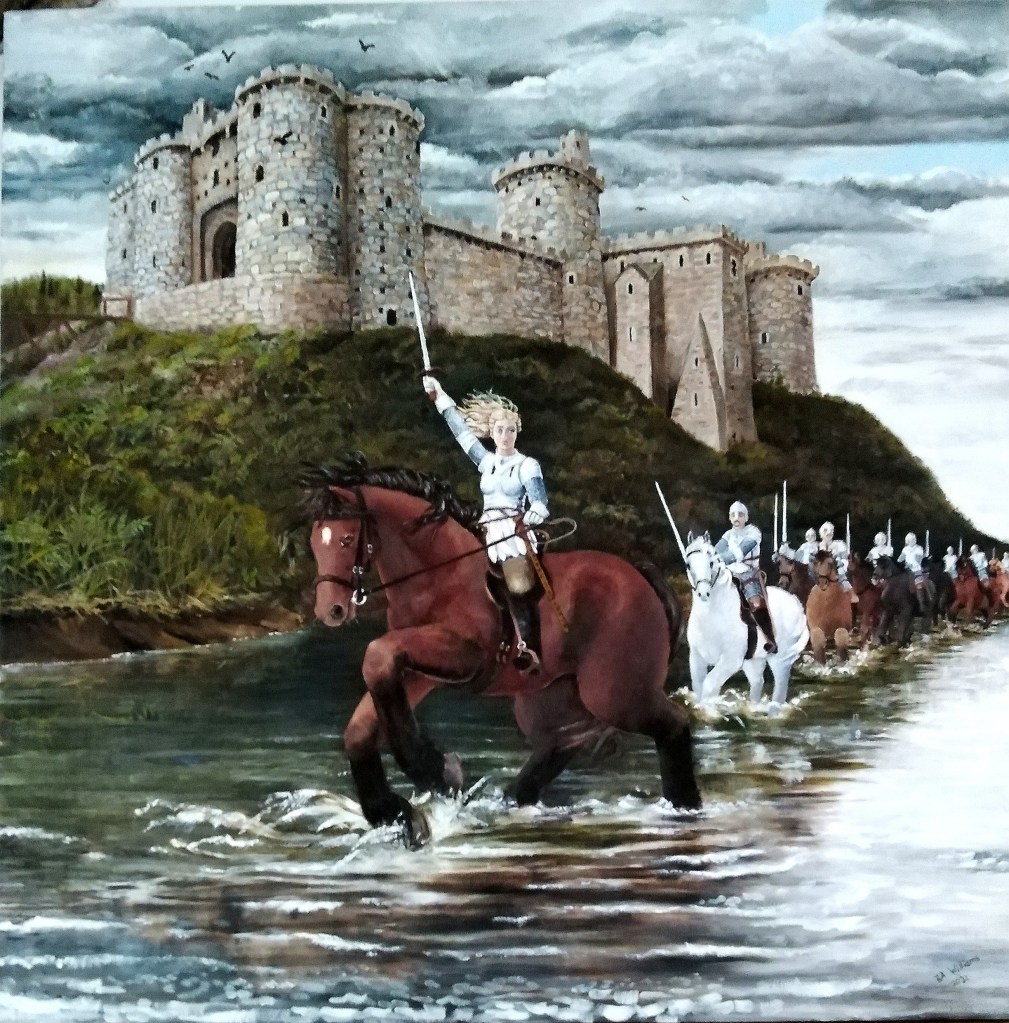
The Princess Gwenllian Rides into Battle – Oil on Canvas, 2022.
Beryl Ann now lives In Kidwelly, Wales, where her garden affords a fine view of the Castle:“I thought, well I’m looking at the castle every day, I might as well paint it. And then I thought I might as well put something in it to make it different from all the other paintings of the castle.“ During the Covid lockdown she worked on more of her ‘Warrior Princess’ paintings, which reference Welsh history and legend. In 2022 she studied online and obtained Diplomas in Jungian Therapy, in which context she is now pursuing an Advanced Diploma in Shadow Mastery.

Beryl Ann writes: The warrior princess paintings emerged after I moved to Kidwelly and became involved in local politics, being elected to the Town Council. Although they depict a legendary local heroine, at another level they reflect my arrival on the scene (the first picture, above). They reflect my dealings with community conflict and synchronise with internal conflicts.
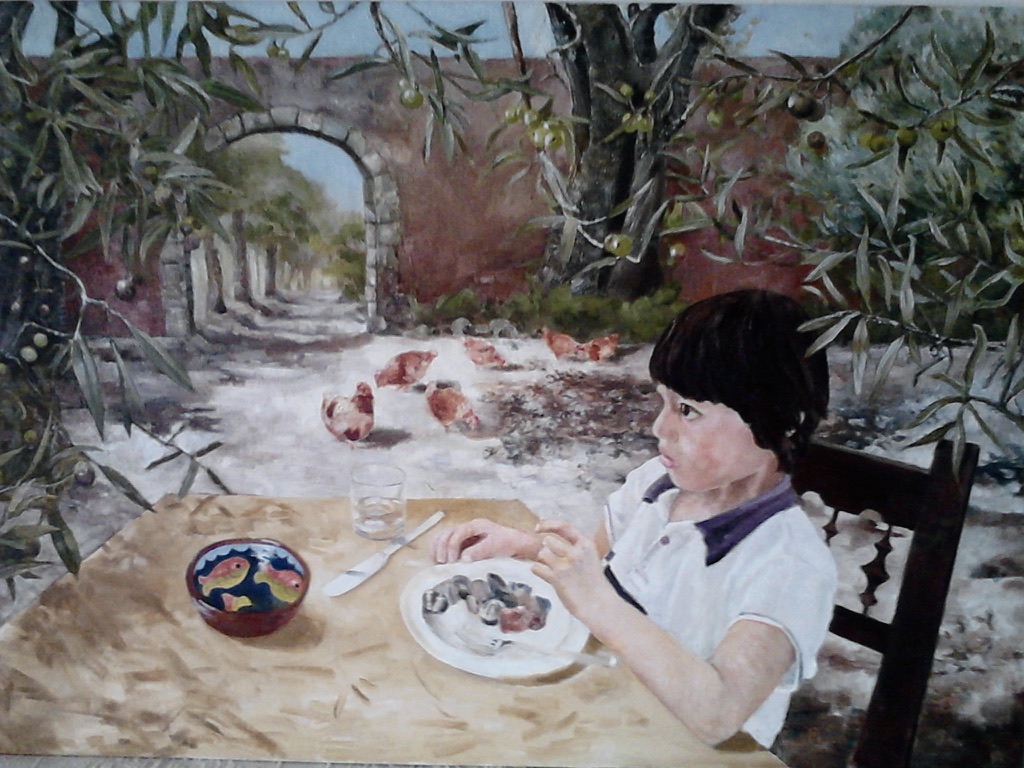
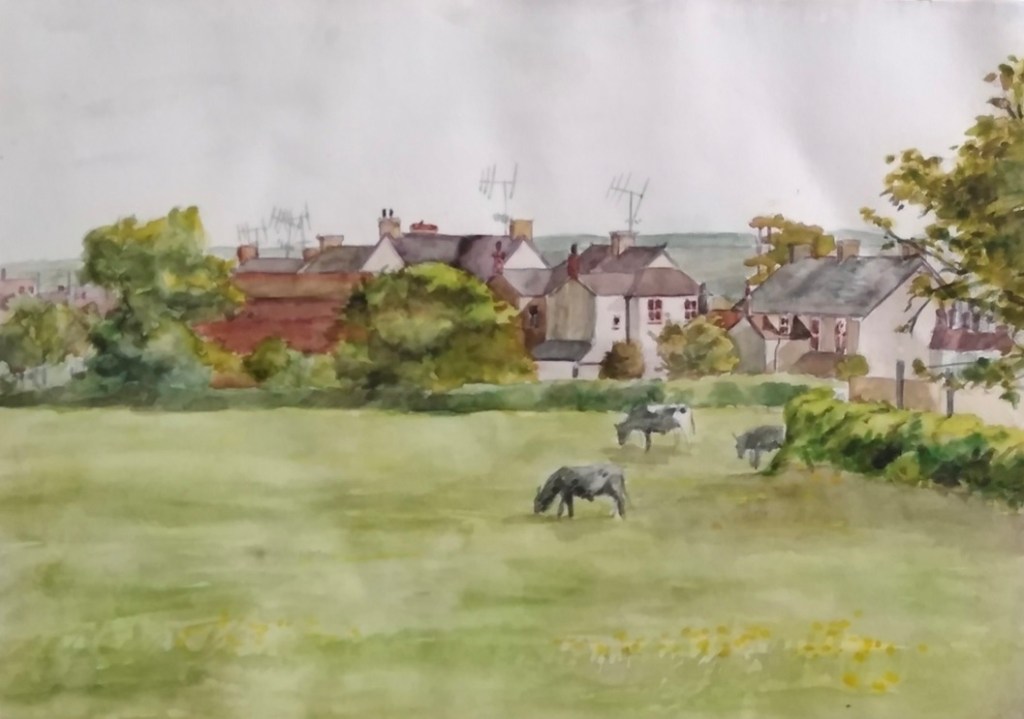


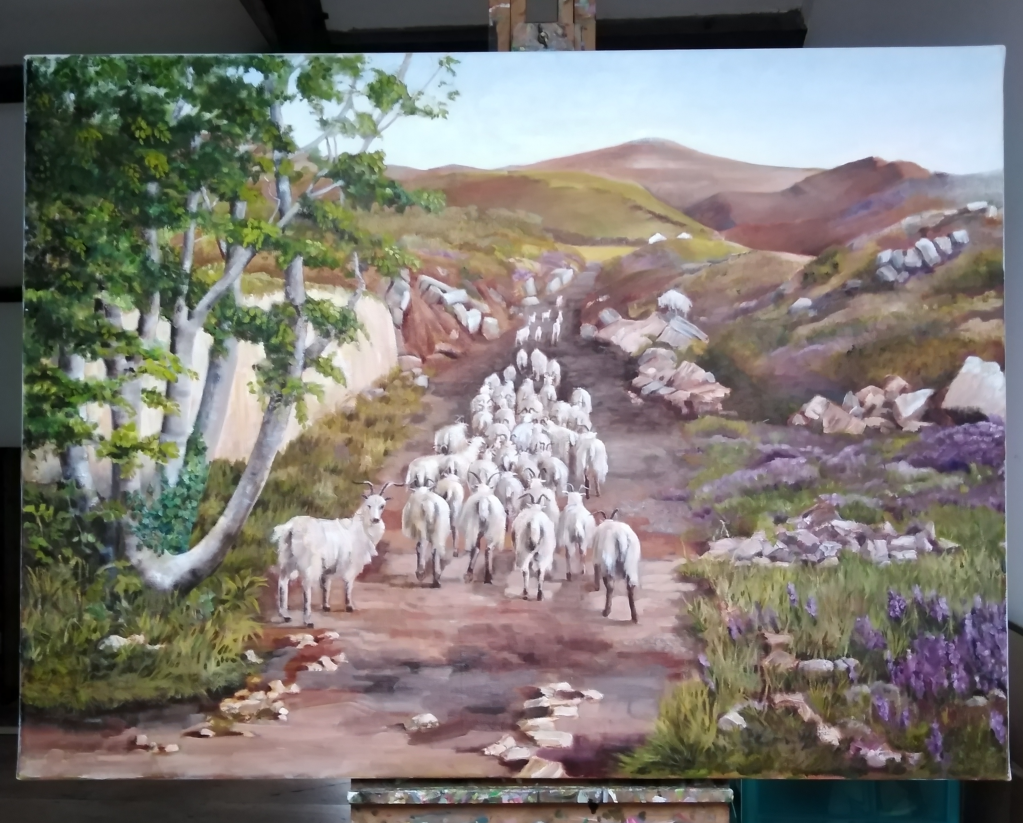

Though versatile, occasionally producing paintings on commission, Beryl Ann’s work has some consistent underlying themes. She has a deep love of animals, especially horses, and has cared for ailing creatures, including her one-eyed cat which came to her, possibly suffering from feline aids. John Pearce recalls Beryl’s paintings of dead – very dead – birds she brought back on the train from the beach at Beadnell, Northumberland, crushed into startling new patterns of bone and feather. A related theme seems to be abandoned vehicles.
(Click on images)
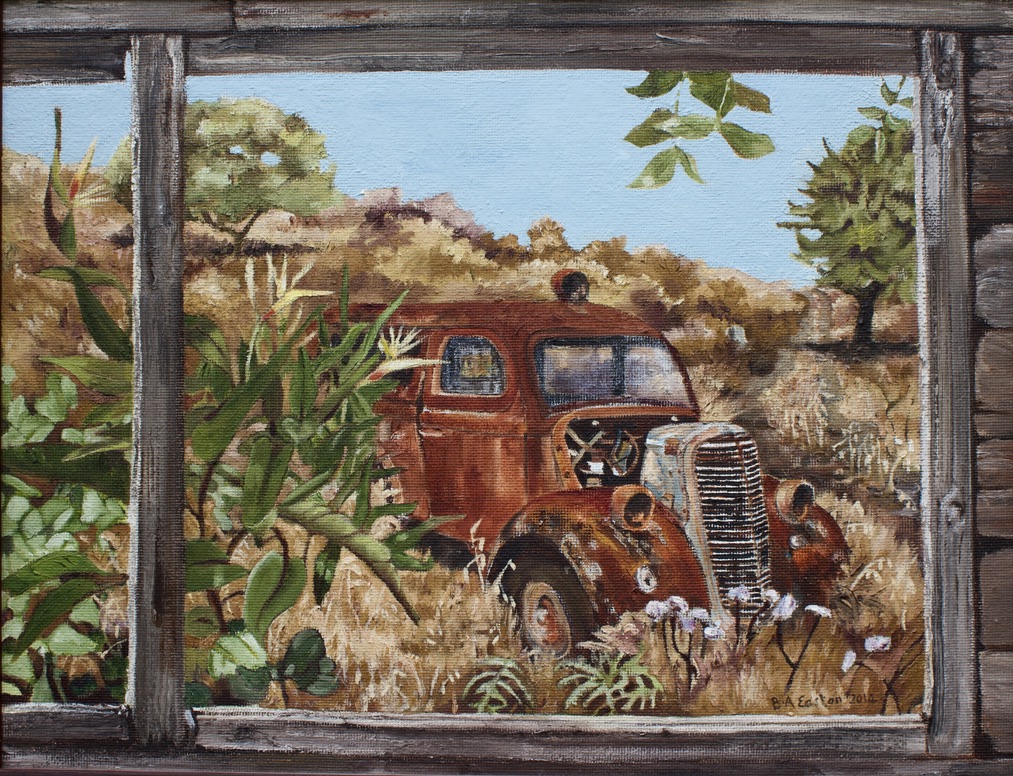


As a qualified Art Therapist, chiefly working in Holloway Prison, Beryl Ann met, and later married, the brilliant and highly successful painter Arthur Easton ROI, who also worked in art therapy.
Margaret Kirschen.

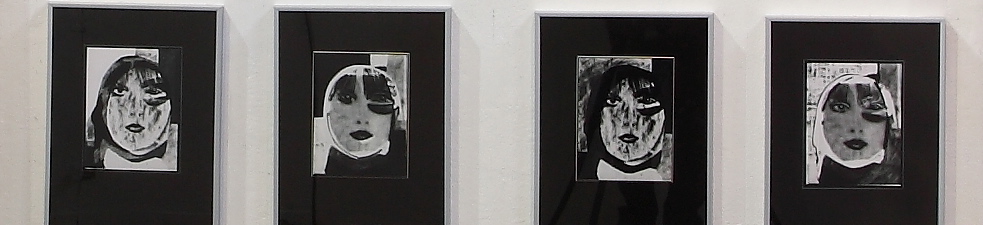
“…I was once told by an aunt of mine, an artist, “you can give art up but it will never give you up” and I have found that to be very true. After a fallow period or a period of not doing anything, I become rather uneasy, there is something missing and I don’t quite know what. When I do start working again it often seems my subconscious has been working through the time-out period and that I make a leap into something quite unexpected and that I didn’t know I wanted to do.
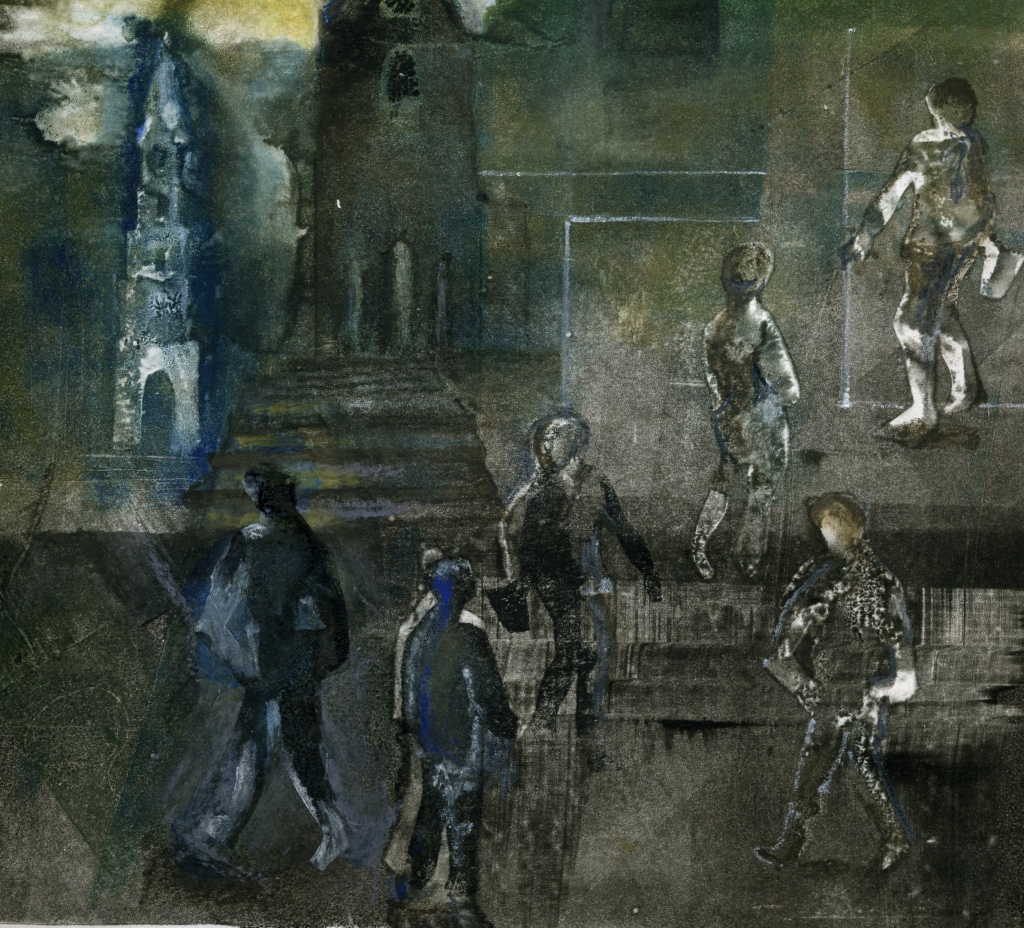
I draw people – in the city, on the train, in the park…I am aware of the interaction of people with the environment, with each other, how we guard our space and what defences, masks if you will, we employ to maintain our individuality while acknowledging that we need the security of belonging to the herd.”
Of a slightly earlier generation than that of our other exhibitors, Margaret was born in Buenos Aires and brought up speaking English and Spanish as well as French – through having a French grandmother. Moving to the UK in the 1950s, she went to Folkestone and Dover College of Art. After graduating from Art college, she initially worked for Hartnell, couturier to Her Majesty the Queen. She later obtained a teaching diploma – among subsequent placements teaching English in Paris. She later worked in primary or secondary schools as both art and language specialist. (Art is language, is it not?).
Throughout her career Margaret kept up her drawing and printmaking, fascinated by the techniques of both silk screen printing and etching.


 Old Contemporaries